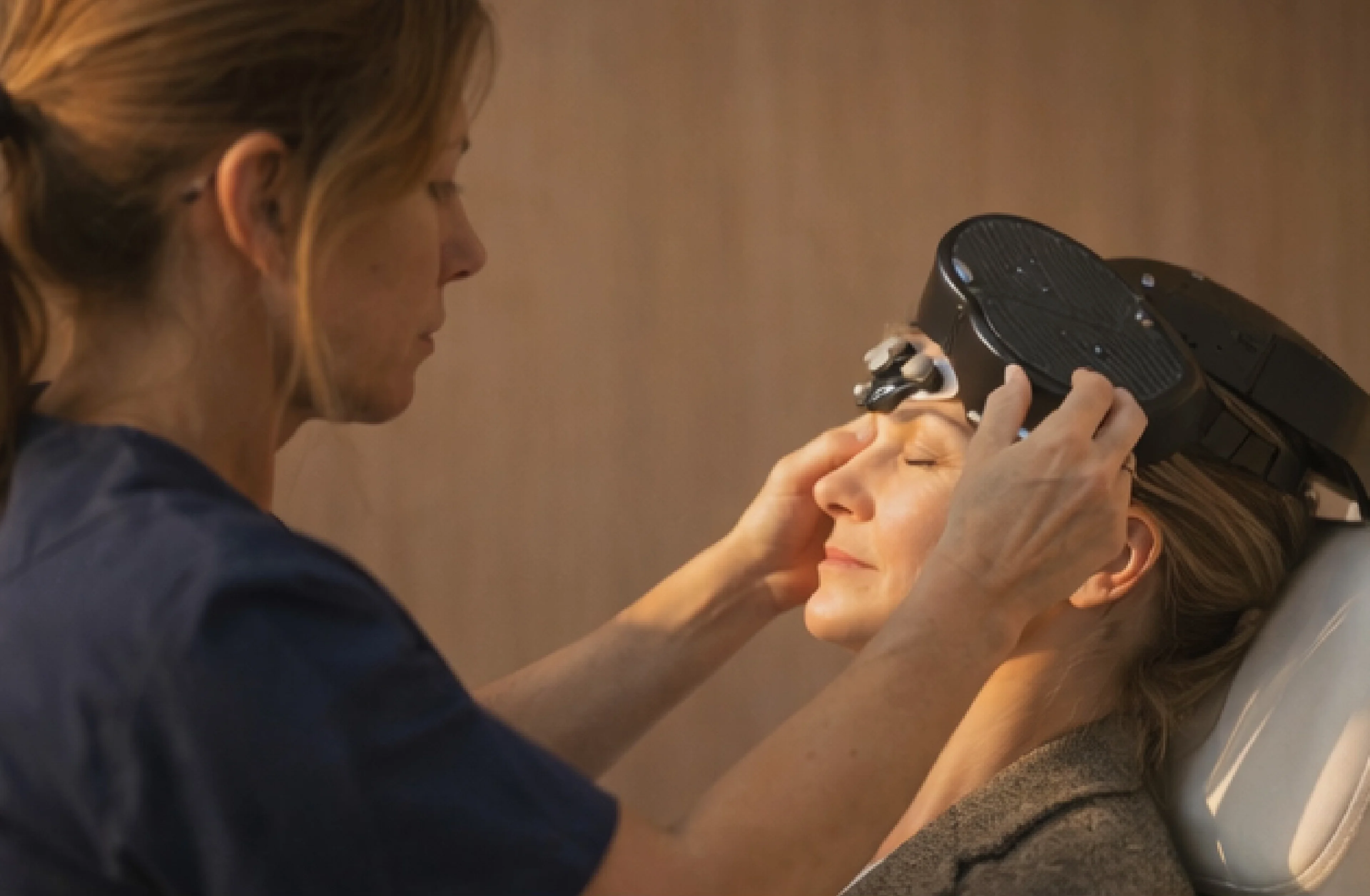
Online depression test, fast and confidential
Find out if you might be experiencing depressive symptoms through a screening questionnaire used in clinical settings.
No pain · Non-invasive · No anesthesia
When nothing seems to work, it's not your fault
If you've struggled with depression despite medication or therapy, you're not alone. Depression affects brain circuits that can now be measured and modulated directly.
Low motivation or energy
Persistent sadness or anxiety
Insomnia or fatigue
Difficulty concentrating
Connectoma helps you recover with science-based, non-invasive brain stimulation.
Your Path to well-being
Start test
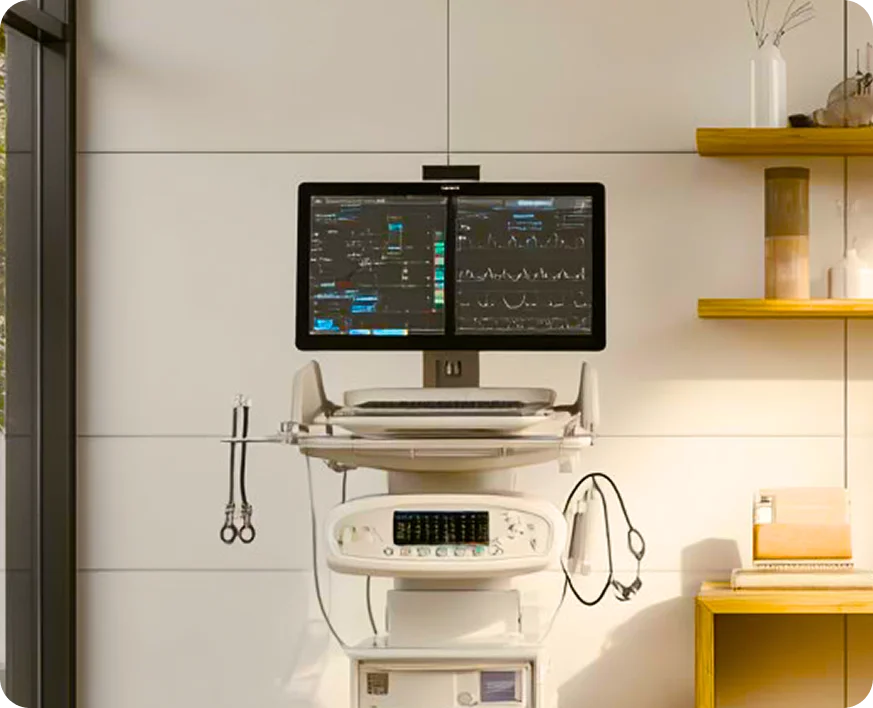
Brain Scan
We perform an imaging study to understand how your brain works and find the area where to apply the treatment.
Personalized Plan
Our specialists design a unique treatment for you, tailored to your specific needs.
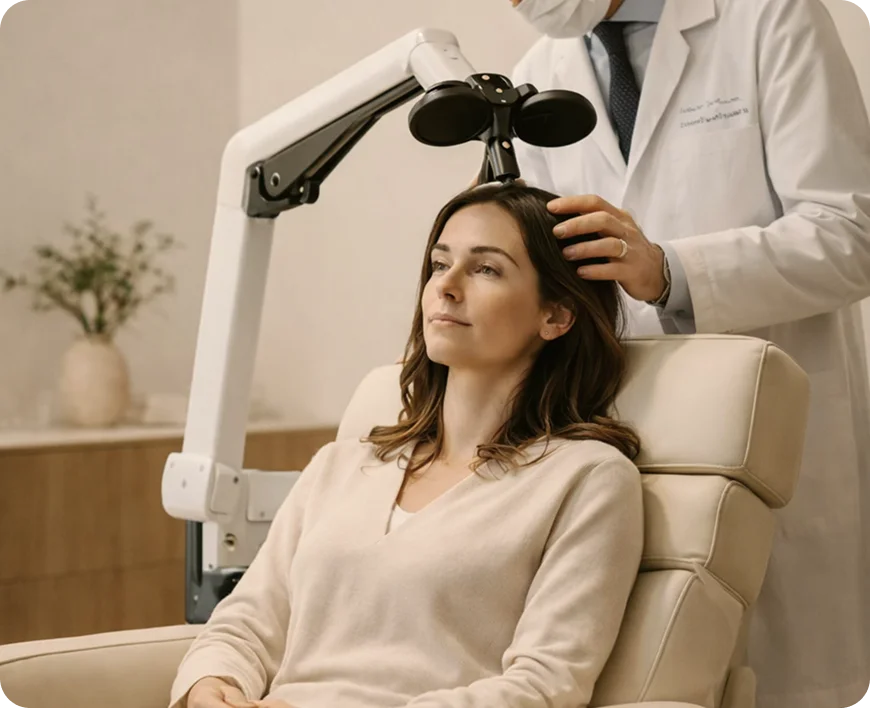
Guided Treatment
We apply transcranial magnetic stimulation (TMS) precisely in the right area of your brain to achieve the best results.

Close Follow-up
We accompany you throughout the process, evaluating your progress and adjusting treatment if necessary.
Clinical Results
A technology guided with millimetric precision to deliver fast, safe and measurable clinical results.
Up to 79% symptom remission in drug-resistant depression (Cole et al., 2020).
79%
AI-guided brain mapping with personalized and precise stimulation at millimetric level.
Precision
Visible results in just a few days, with no adverse effects, pain or discomfort.
Few days
Is this treatment right for you?

People with depression who have not improved with medication or therapy

Patients seeking faster results without side effects
A specialist will evaluate your case individually to confirm suitability.

Connectoma vs Traditional Treatments
Connectoma (neuronavigated TMS)
Individual brain mapping + precise stimulation
- Mapping with fMRI, AI analysis and neuronavigation with millimetric precision.
- Intensive protocols that reduce total duration.
- Visible improvement in 1-2 weeks.
- Reported remission rates of up to 79% in neuroimaging-guided protocols.
Traditional TMS
Standard approach without neuroimaging guidance
Target location based on generic measurements with a large application area.
Typical remission rates of 30%.
Typical clinical improvement at 4-6 weeks.
Manual coil placement; less precision.
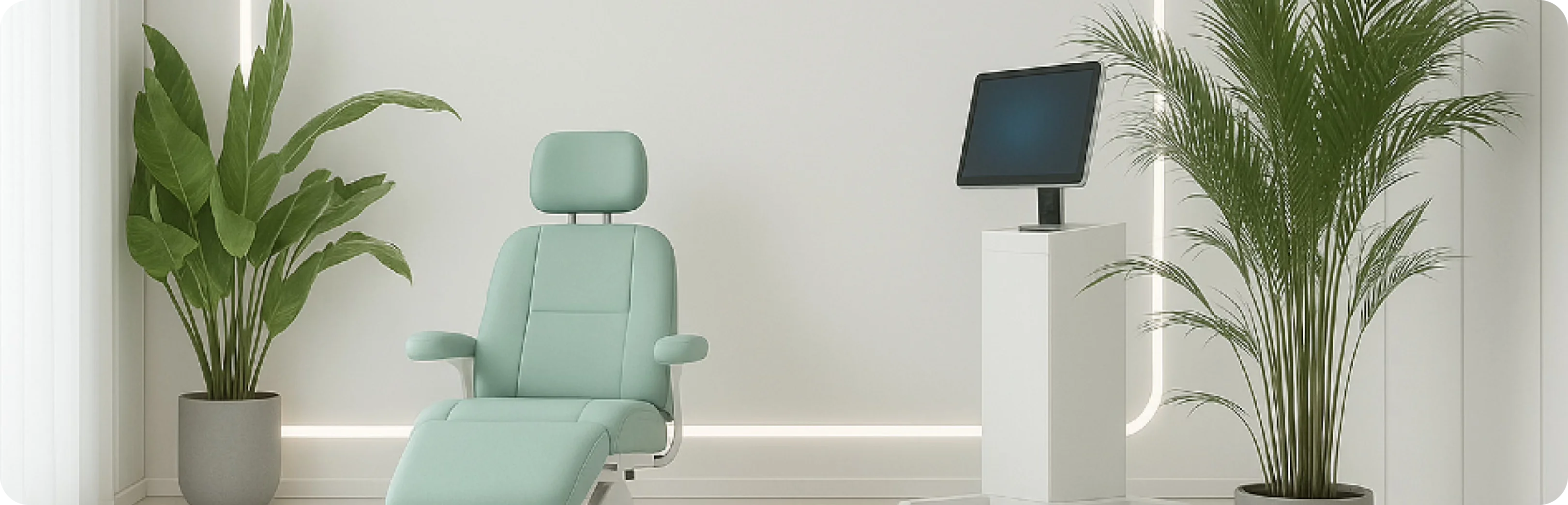
Our Centers
Our partner centers are equipped with the most advanced medical technology and meet the highest quality and safety standards. Each center has highly trained professionals certified in the Connectoma protocol.

Personalized care
Each patient receives an individualized treatment plan designed by our team of experts.

Cutting-edge technology
We use state-of-the-art equipment with medical certification and advanced neuronavigation systems.
Frequently Asked Questions
No. Magnetic stimulation is non-invasive and painless. The patient can return to their regular routine immediately afterward. Some people notice a slight discomfort or tapping sensation on the scalp during the first sessions, which usually disappears quickly.
It depends on the personalized protocol, but in general each session lasts between 15 and 30 minutes and the complete treatment usually includes around 50 sessions distributed over several days. In some cases, subsequent maintenance is recommended based on progress.
Many patients notice improvements in the first 1–2 weeks, although optimal effects are consolidated upon completing the full program. The response varies depending on the type of disorder and each person's clinical history.
Not necessarily. Patients can continue their medication while receiving TMS. Your doctor will evaluate your specific situation and adjust your treatment plan as needed. In medication-resistant patients, it can be an effective alternative without side effects.
Adverse effects are minimal and temporary. The most common is a mild scalp discomfort or a slight headache after the session.
At associated clinics and medical centers that meet the quality and safety standards defined by Connectoma Neurotech. You can find the nearest center in the "Find a center" section.
Take the first step to feel better
Book your initial evaluation or speak directly with our specialists today.
Start test