Learn
The key concepts of neuroscience and neurotechnology, explained clearly. With videos and examples applied to depression.
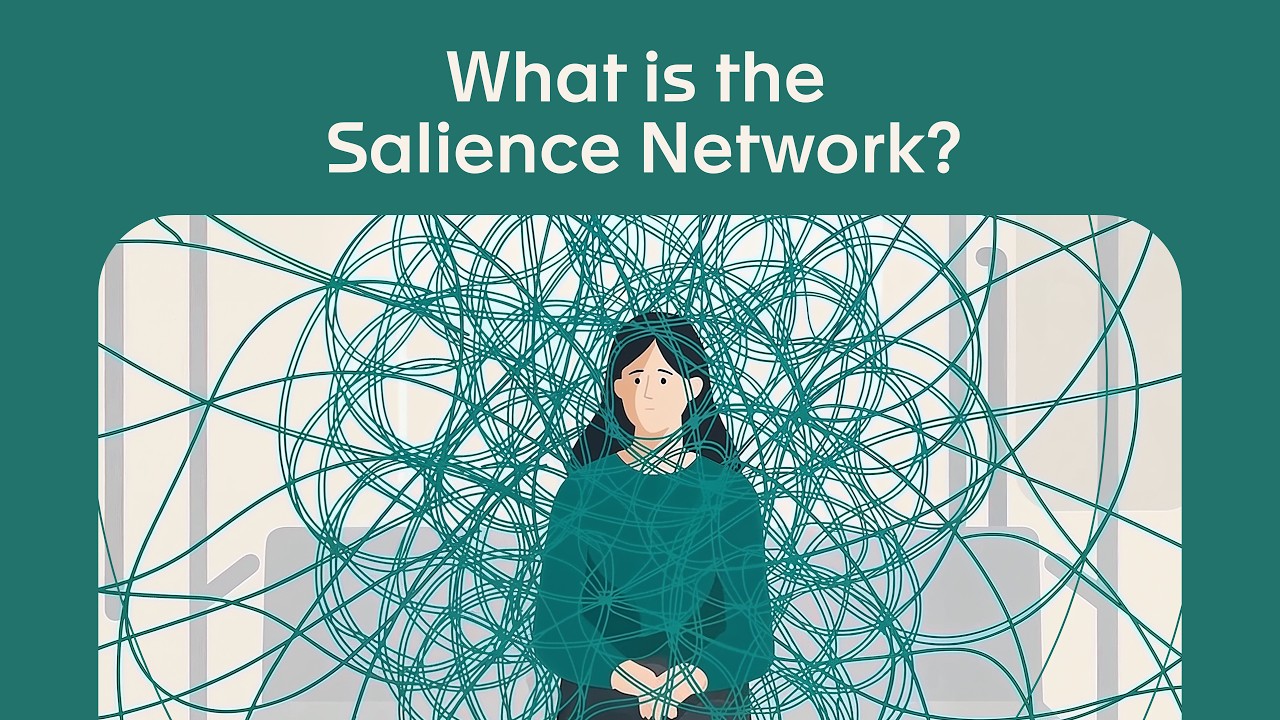
What is the Salience Network?
Why does depression make you feel so disconnected? The answer lies in the Salience Network, your attention’s traffic director, which in depression loses flexibility and gets stuck activating the Default Mode Network.
Read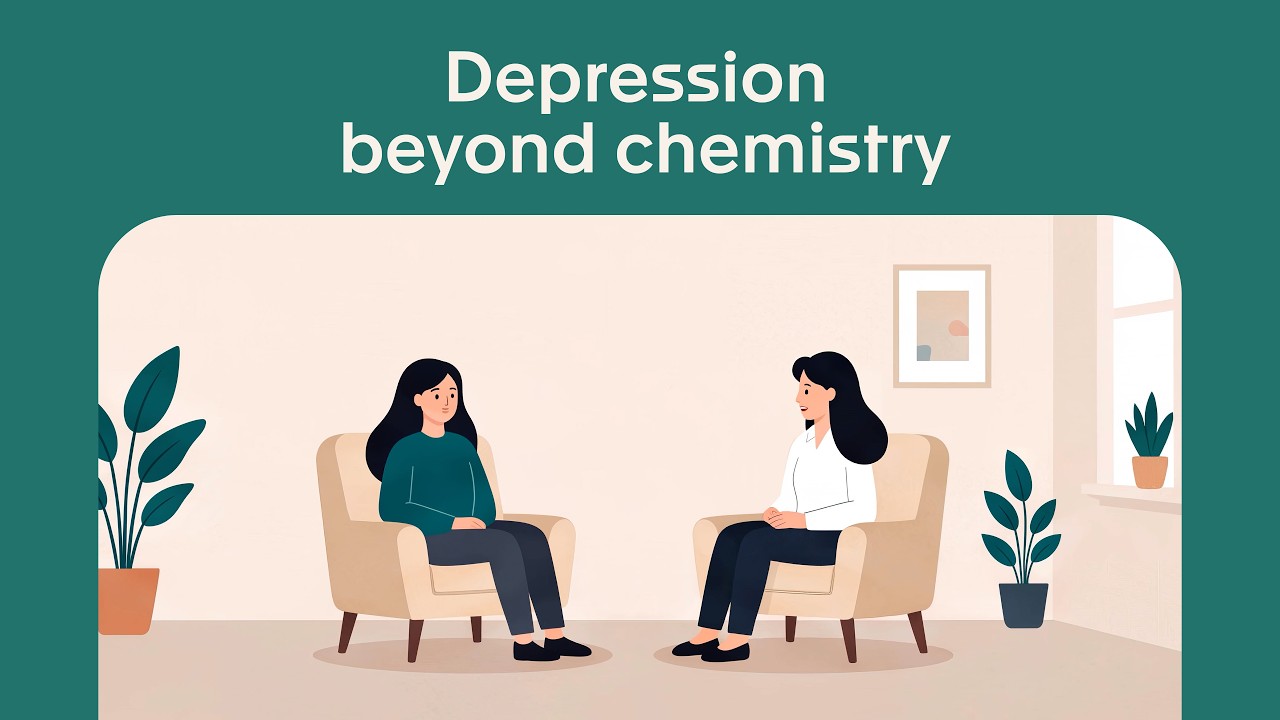
Depression is not just a chemical imbalance: what really fails in the brain and why it matters for treatment
For decades depression was believed to be a simple chemical imbalance. We now know it involves physical atrophy of connections in very specific brain areas, and that treating it with pills alone is unspecific. AI-guided neuromodulation directs treatment to the affected circuits.
Read more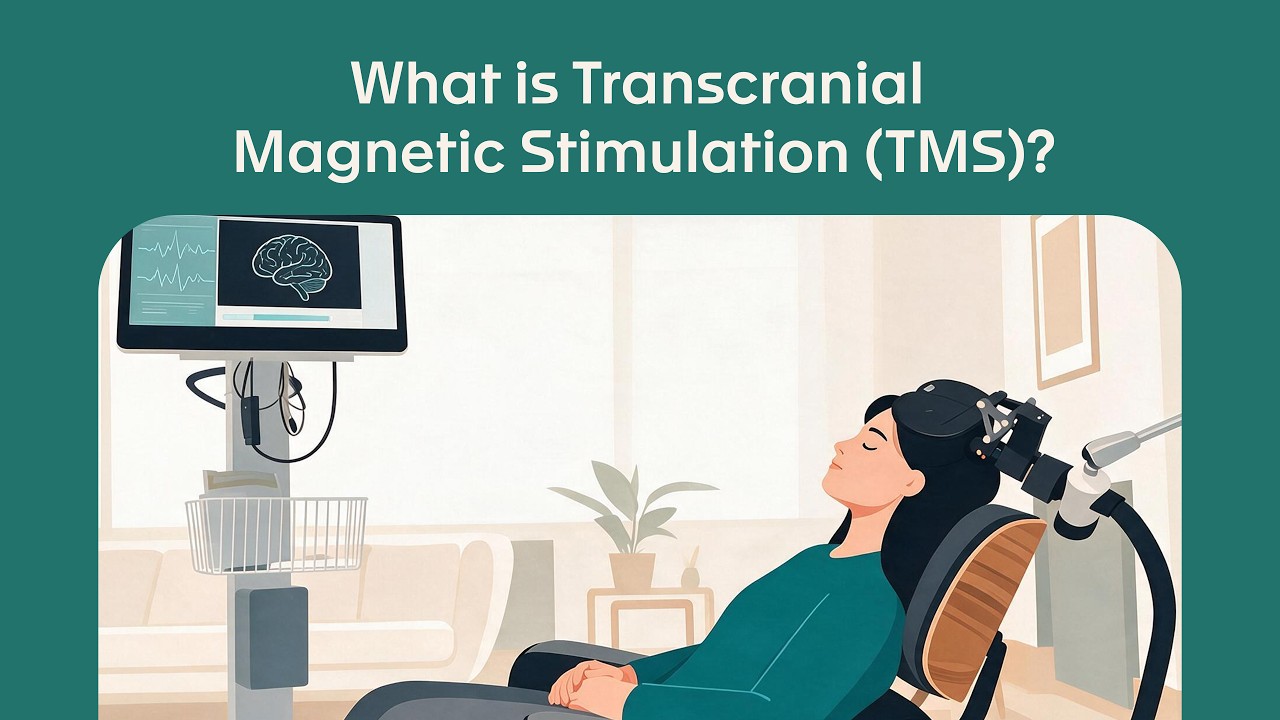
How transcranial magnetic stimulation (TMS) works
A clear explanation of how TMS works: how magnetic pulses modulate the brain’s circuits, what a session feels like, and why it is a non-invasive, safe technique. With video.
Read more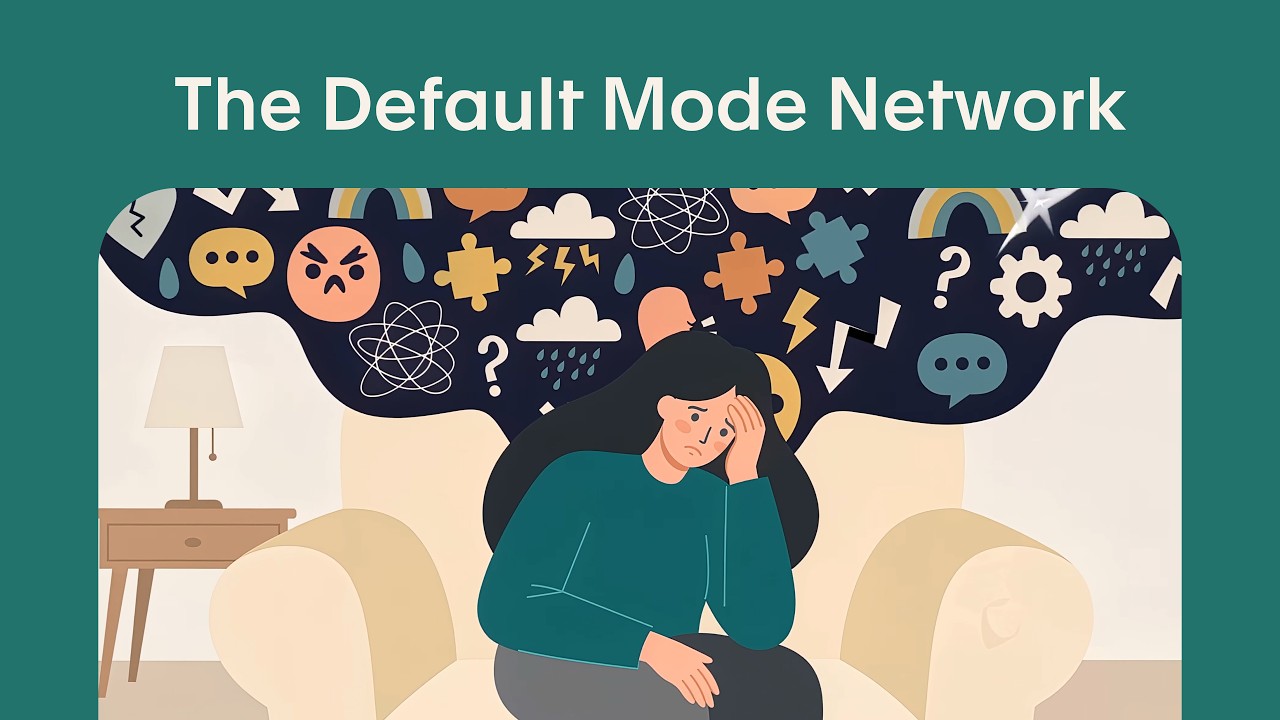
The Default Mode Network: why the mind never rests (and what it has to do with depression)
When it seems we are doing nothing, the brain still burns enormous energy. The Default Mode Network is responsible — a circuit that becomes hyperconnected in depression and fuels rumination.
Read more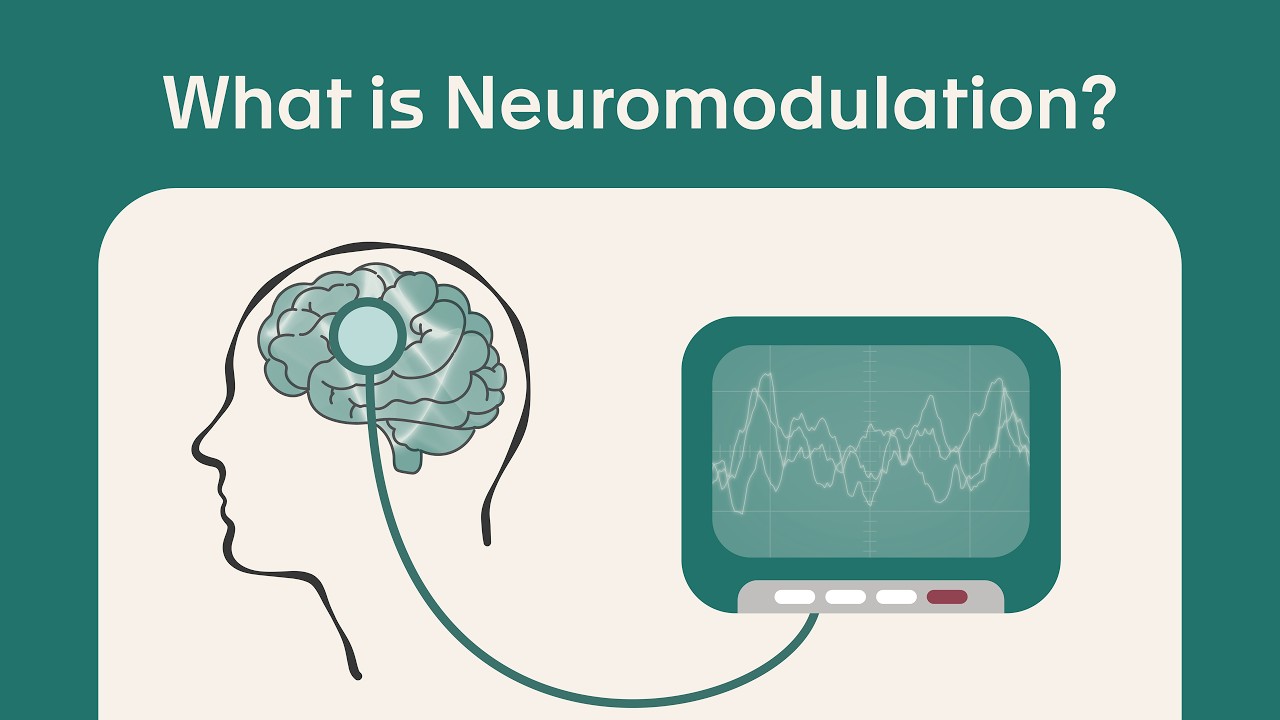
What is neuromodulation, and how it rebalances the brain’s circuits
Neuromodulation retunes the activity of altered brain circuits using controlled stimuli. Here is what it is, the types that exist, and why it is central to precision mental health.
Read more
The scientific basis of the Connectoma Protocol
Very high effectiveness rates for a condition as complex as depression can sound like science fiction, but they are evidence-based science. Here is why magnetic stimulation works and what backs it.
Read more
How Connectoma uses precision neuroimaging
Magnetic stimulation is no longer a "one-size-fits-all" procedure. With functional MRI, artificial intelligence and neuronavigation we calculate the exact brain point to treat in each person.
Read more
Medical prescription of the treatment: is it for you?
The Connectoma Protocol is indicated above all for treatment-resistant depression. Here is who is a good candidate, what the clinical goal is and which contraindications exist.
Read more
The patient experience: what a session is like
It is common to feel some unease before a new treatment. Here is exactly what happens in a Connectoma session: outpatient, no anaesthesia, what it feels like and what side effects it has.
Read more
Results: remission rates and how fast the treatment works
The protocol has shown remission rates close to 80% in resistant depression, with palpable improvement from the first week. Here are the figures, the accelerated protocol and the role of neuroplasticity.
Read more