
Restore your mental well-being through precision technology
Personalized treatments based on AI, fMRI and advanced neuromodulation for depression, anxiety and other treatment-resistant conditions.
Are you a mental health professional? Contact us here
WHY CONNECTOMA?

The Problem with traditional treatments
Treatment-resistant depression affects millions, but conventional treatments have limited success rates. Connectoma uses next-generation brain stimulation protocols that achieve remission rates up to 3 times higher.
2025: Connectoma Protocol
79%
2008: Standard TMS
40%
Clinical Results
A technology guided with millimetric precision to deliver fast, safe and measurable clinical results.
Up to 79% symptom remission in drug-resistant depression (Cole et al., 2020).
79%
AI-guided brain mapping with personalized and precise stimulation at millimetric level.
Precision
Visible results in just a few days, with no adverse effects, pain or discomfort.
Few days
Your Path to well-being

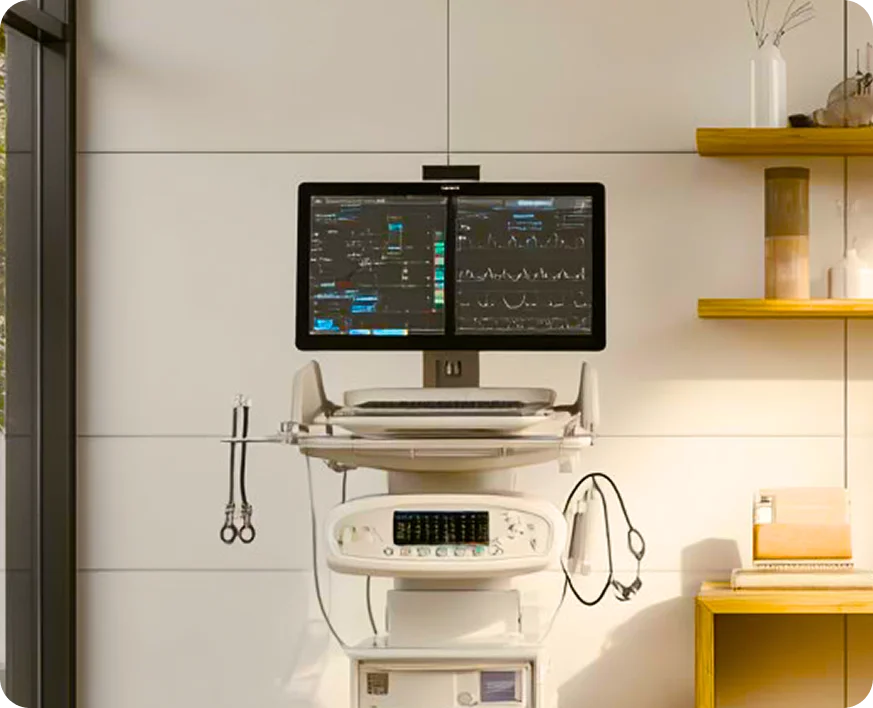
Brain Scan
We perform an imaging study to understand how your brain works and find the area where to apply the treatment.
Personalized Plan
Our specialists design a unique treatment for you, tailored to your specific needs.

Guided Treatment
We apply transcranial magnetic stimulation (TMS) precisely in the right area of your brain to achieve the best results.

Close Follow-up
We accompany you throughout the process, evaluating your progress and adjusting treatment if necessary.

Conditions Treated

Drug-resistant depression
For those who have not responded to medication or therapy.

Anxiety disorder associated with depression
Calm your mind through targeted neuromodulation.

Obsessive-compulsive disorder (OCD)
Reduce intrusive cycles by modulating affected brain circuits.

Substance use disorder
Reprogram the trauma response at the neural level.
Why trust Connectoma
Collaborations with the best universities, hospitals and research centers in Europe.
More about us
Institutional Partners


A patient's story
Connectoma vs Traditional Treatments
Connectoma (neuronavigated TMS)
Individual brain mapping + precise stimulation
- Mapping with fMRI, AI analysis and neuronavigation with millimetric precision.
- Intensive protocols that reduce total duration.
- Visible improvement in 1-2 weeks.
- Reported remission rates of up to 79% in neuroimaging-guided protocols.
Traditional TMS
Standard approach without neuroimaging guidance
Target location based on generic measurements with a large application area.
Typical remission rates of 30%.
Typical clinical improvement at 4-6 weeks.
Manual coil placement; less precision.
Frequently Asked Questions
No. Magnetic stimulation is non-invasive and painless. The patient can return to their regular routine immediately afterward. Some people notice a slight discomfort or tapping sensation on the scalp during the first sessions, which usually disappears quickly.
It depends on the personalized protocol, but in general each session lasts between 15 and 30 minutes and the complete treatment usually includes around 50 sessions distributed over several days. In some cases, subsequent maintenance is recommended based on progress.
Many patients notice improvements in the first 1–2 weeks, although optimal effects are consolidated upon completing the full program. The response varies depending on the type of disorder and each person's clinical history.
Not necessarily. Patients can continue their medication while receiving TMS. Your doctor will evaluate your specific situation and adjust your treatment plan as needed. In medication-resistant patients, it can be an effective alternative without side effects.
Adverse effects are minimal and temporary. The most common is a mild scalp discomfort or a slight headache after the session.
At associated clinics and medical centers that meet the quality and safety standards defined by Connectoma Neurotech. You can find the nearest center in the "Find a center" section.
Latest resources
Articles and explainers on neurotechnology, neuroscience and the latest from Connectoma.
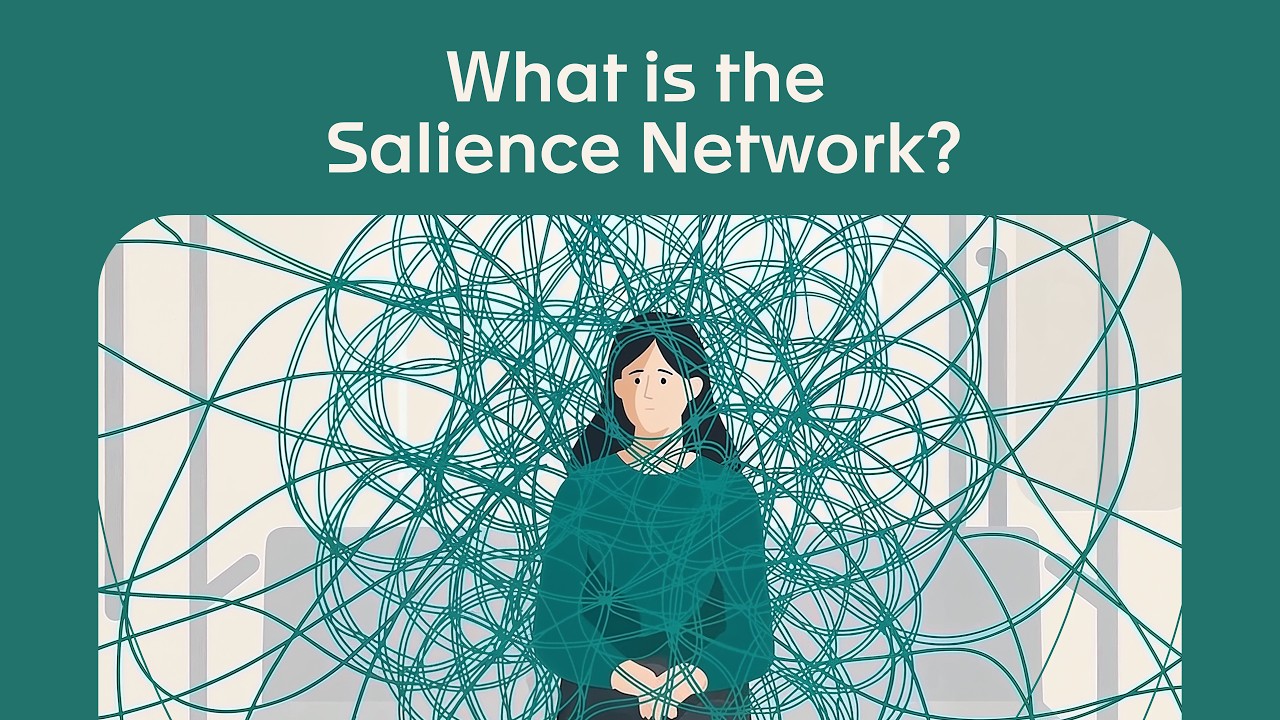
What is the Salience Network?
Why does depression make you feel so disconnected? The answer lies in the Salience Network, your attention’s traffic director, which in depression loses flexibility and gets stuck activating the Default Mode Network.
Read more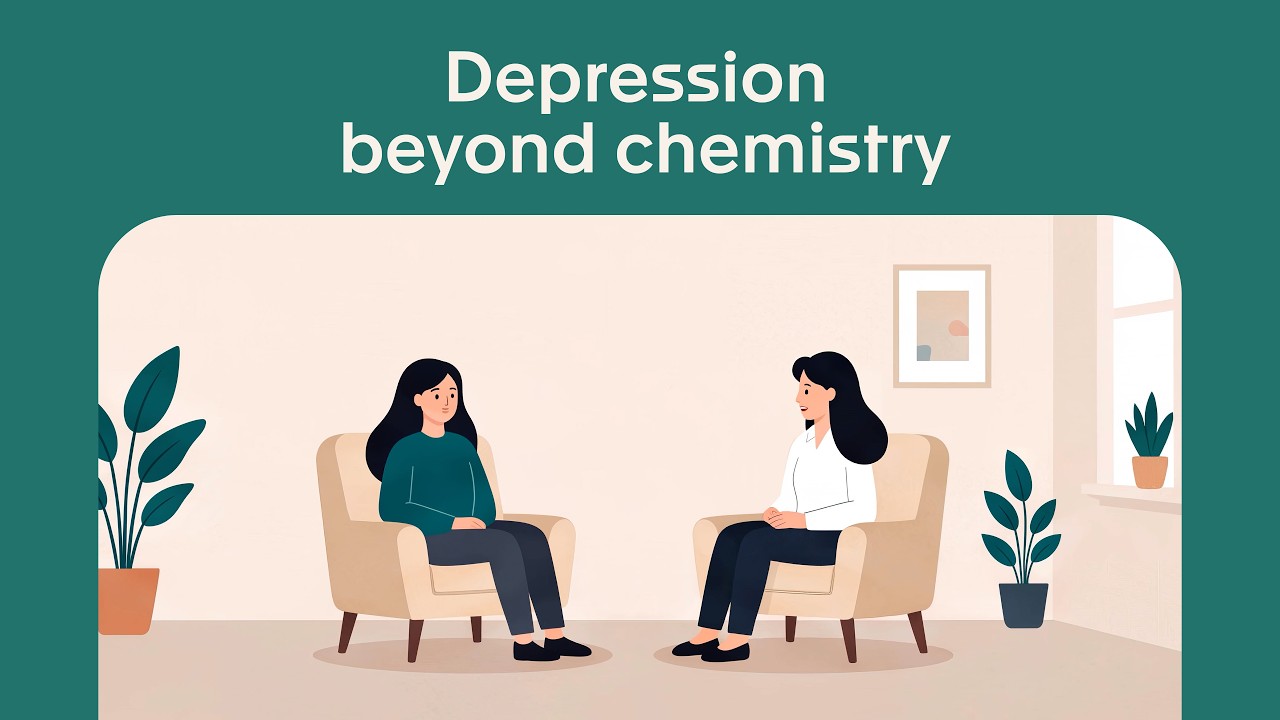
Depression is not just a chemical imbalance: what really fails in the brain and why it matters for treatment
For decades depression was believed to be a simple chemical imbalance. We now know it involves physical atrophy of connections in very specific brain areas, and that treating it with pills alone is unspecific. AI-guided neuromodulation directs treatment to the affected circuits.
Read more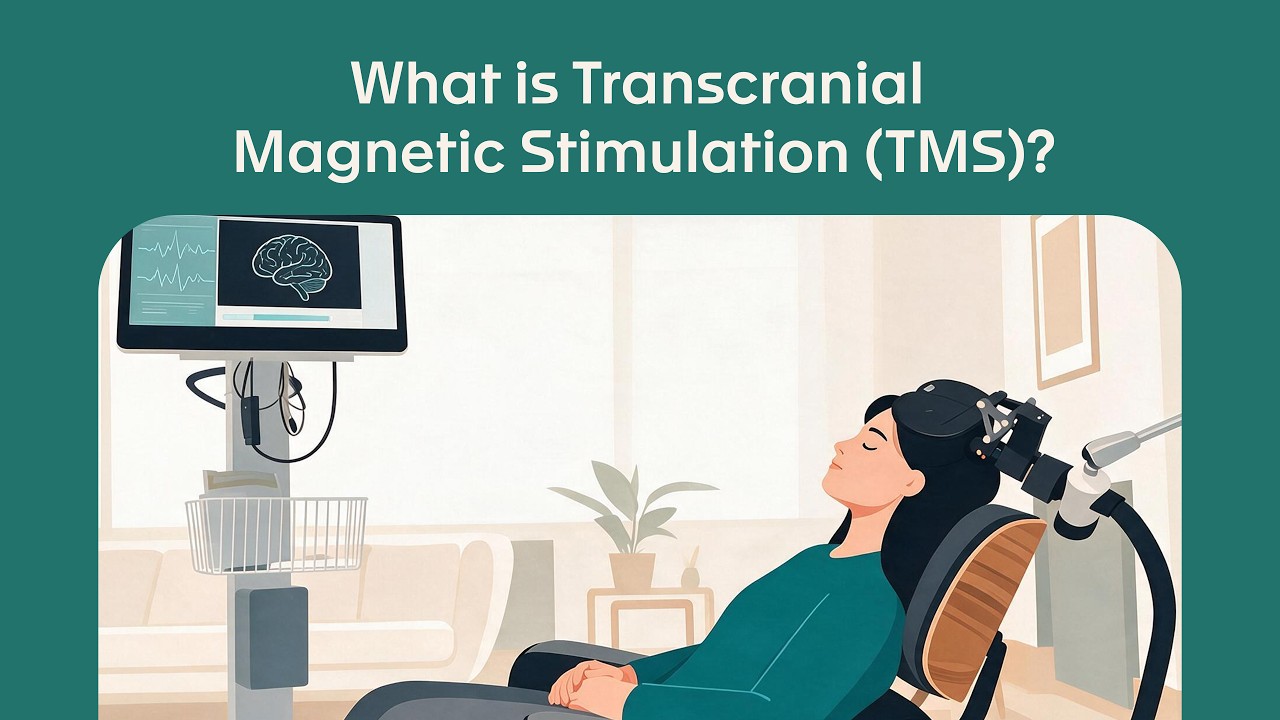
How transcranial magnetic stimulation (TMS) works
A clear explanation of how TMS works: how magnetic pulses modulate the brain’s circuits, what a session feels like, and why it is a non-invasive, safe technique. With video.
Read more
I'm a patient

I'm a professional