Fibromyalgia and transcranial magnetic stimulation (TMS)
The origin of fibromyalgia pain is not in the muscles but in the brain. We explain what central sensitization is and how TMS over the primary motor cortex helps reduce pain severity.
Living with fibromyalgia means facing an invisible, exhausting battle. Chronic pain, fatigue and sleep problems drain the energy of every day. As a patient, you may often feel misunderstood by people around you who cannot see your pain.
Fibromyalgia, which mainly affects women, does not only show up as physical discomfort: it is frequently accompanied by deep exhaustion and mental fog, affecting cognitive functions such as memory and decision-making.
At work and socially, these symptoms condition performance, disrupt the rhythms of life and create a progressive disconnection from one’s surroundings, because sustaining the daily routine requires an extraordinary cognitive and emotional effort.
What exactly is fibromyalgia?
Current science is very clear: the origin of this pain is not in the muscles, but in the brain. Neuroscience considers that in this disease a phenomenon called central sensitization occurs.
In other words, the nervous system amplifies neural signals disproportionately, processing as painful stimuli that should be normal. In essence, it can be seen as a calibration fault in the brain’s electrical network.
Transcranial magnetic stimulation (TMS)
To treat the root of this problem, we have repetitive transcranial magnetic stimulation, or TMS. This non-invasive neuromodulation technique works by sending electromagnetic pulses in a localized, non-invasive way.
Its goal is to act directly on neural networks to modulate their level of excitability, helping the brain restore its natural balance.
How does TMS treat fibromyalgia?
The most rigorous scientific meta-analyses confirm that high-frequency magnetic stimulation is an effective tool, provided the intervention is precise and targets specific regions, especially the primary motor cortex.
Clinical data show that stimulating this area significantly reduces pain severity in patients diagnosed with fibromyalgia. This reduction is felt immediately and is maintained for one to four weeks after the sessions.
In addition, the science shows that in the medium term, between five and twelve weeks of follow-up, patients experience a notable improvement in their overall quality of life.
An integrative, multidisciplinary approach
That is why at Connectoma we are committed to an integrative, multidisciplinary approach. We understand that neuromodulation with TMS does not act in isolation, but as a central part of a broader medical approach.
We combine cutting-edge technology with personalized wellbeing guidelines, healthy habits, cognitive support and constant follow-up, ensuring a comprehensive strategy adapted to each person’s real needs.
Scientific evidence
- Effectiveness of Repetitive Transcranial Magnetic Stimulation on Managing Fibromyalgia: A Systematic Meta-Analysis
- Repetitive Transcranial Magnetic Stimulation for Patients with Fibromyalgia: A Systematic Review with Meta-Analysis (Pain Medicine)
- Efficacy of High-Frequency Repetitive Transcranial Magnetic Stimulation at 10 Hz in Fibromyalgia
- Tan et al. (2022) – Repetitive Transcranial Magnetic Stimulation for Patients with Fibromyalgia: A Systematic Review with Meta-Analysis
- Saltychev & Laimi (2017) / Su et al. (2021) – Efficacy of Repetitive Transcranial Magnetic Stimulation in Fibromyalgia
Want to talk about your case?
Our team can guide you, with no commitment, toward the personalized neuromodulation treatment that best fits you.
Keep reading

What is the Salience Network?
Why does depression make you feel so disconnected? The answer lies in the Salience Network, your attention’s traffic director, which in depression loses flexibility and gets stuck activating the Default Mode Network.
Read more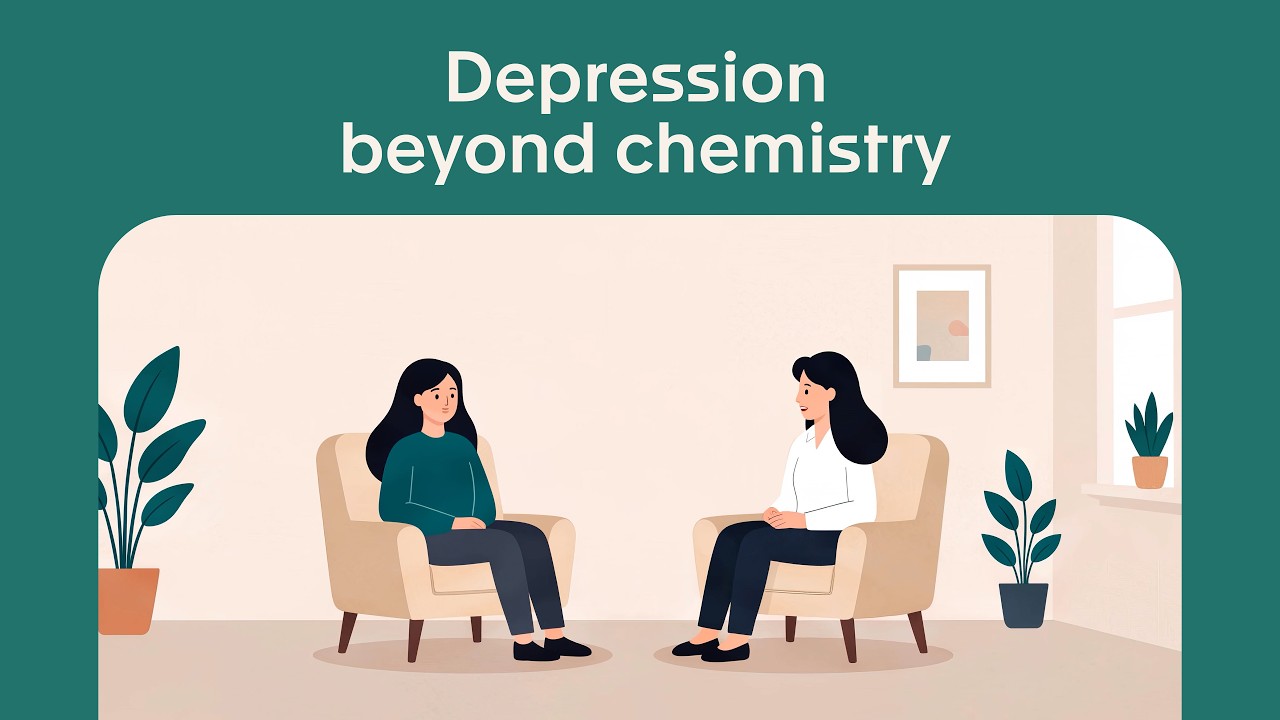
Depression is not just a chemical imbalance: what really fails in the brain and why it matters for treatment
For decades depression was believed to be a simple chemical imbalance. We now know it involves physical atrophy of connections in very specific brain areas, and that treating it with pills alone is unspecific. AI-guided neuromodulation directs treatment to the affected circuits.
Read more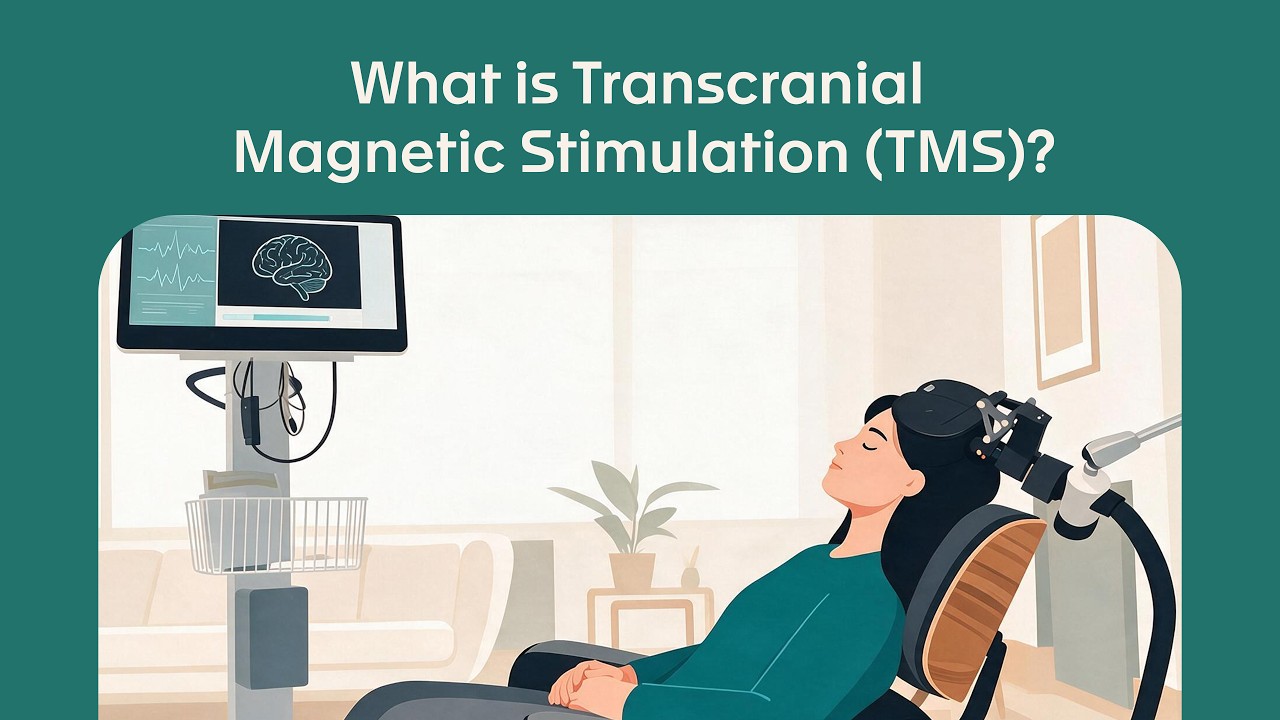
How transcranial magnetic stimulation (TMS) works
A clear explanation of how TMS works: how magnetic pulses modulate the brain’s circuits, what a session feels like, and why it is a non-invasive, safe technique. With video.
Read more