What is the Salience Network?
Why does depression make you feel so disconnected? The answer lies in the Salience Network, your attention’s traffic director, which in depression loses flexibility and gets stuck activating the Default Mode Network.
Why does depression make you feel so disconnected? The answer lies in your "Salience Network".
Your attention’s traffic director
Tracing a neural bridge from the anterior insula to the cingulate cortex, this network is your attention’s traffic director. It constantly decides whether you should focus on the outside world or explore your own thoughts.
Normally, it shifts focus effortlessly.
What happens in depression
But in depression, this switch breaks down. The network loses flexibility and gets stuck activating your Default Mode Network.
That is why you become trapped in a loop of rumination and self-criticism, blind to what is happening around you.
How Transcranial Magnetic Stimulation helps
This is where neuroscience comes in. Transcranial Magnetic Stimulation (or TMS) sends strategic magnetic pulses to "reset" the system.
It repairs this bridge and strengthens the connections so you can switch off the mental noise, return to the present and never feel disconnected again.
Want to talk about your case?
Our team can guide you, with no commitment, toward the personalized neuromodulation treatment that best fits you.
Keep reading
Depression is not just a chemical imbalance: what really fails in the brain and why it matters for treatment
For decades depression was believed to be a simple chemical imbalance. We now know it involves physical atrophy of connections in very specific brain areas, and that treating it with pills alone is unspecific. AI-guided neuromodulation directs treatment to the affected circuits.
Read more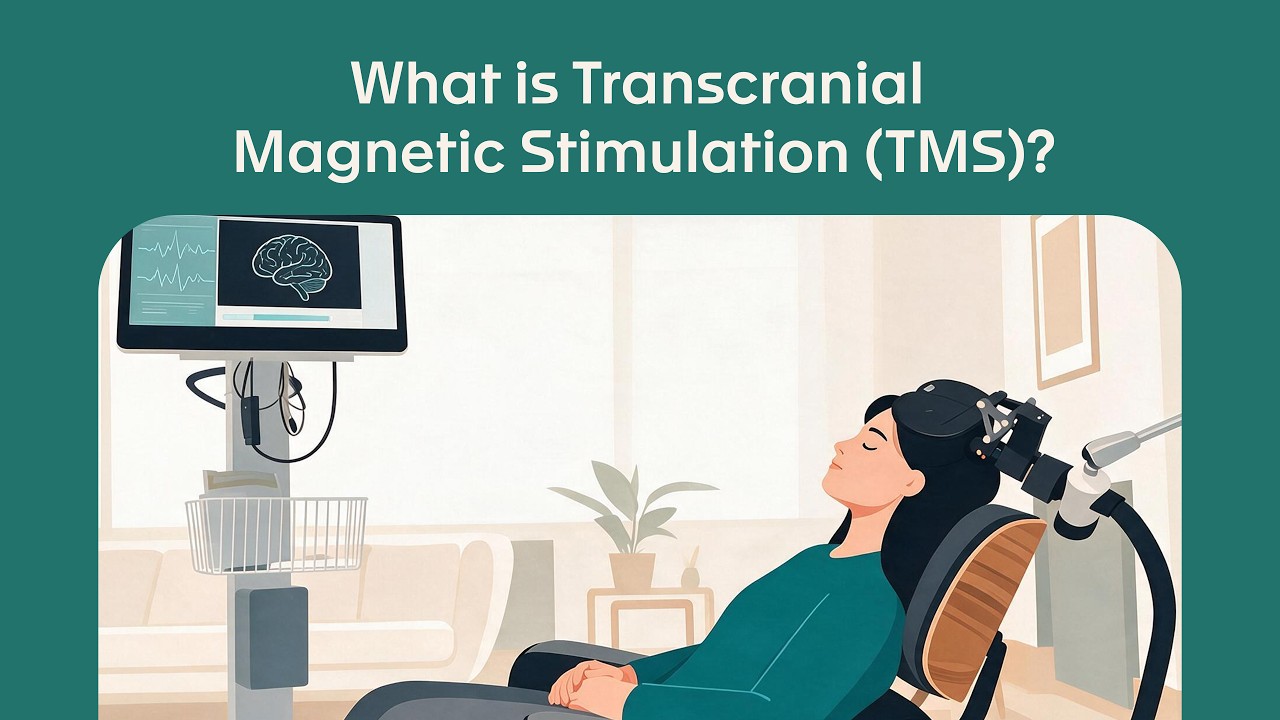
How transcranial magnetic stimulation (TMS) works
A clear explanation of how TMS works: how magnetic pulses modulate the brain’s circuits, what a session feels like, and why it is a non-invasive, safe technique. With video.
Read more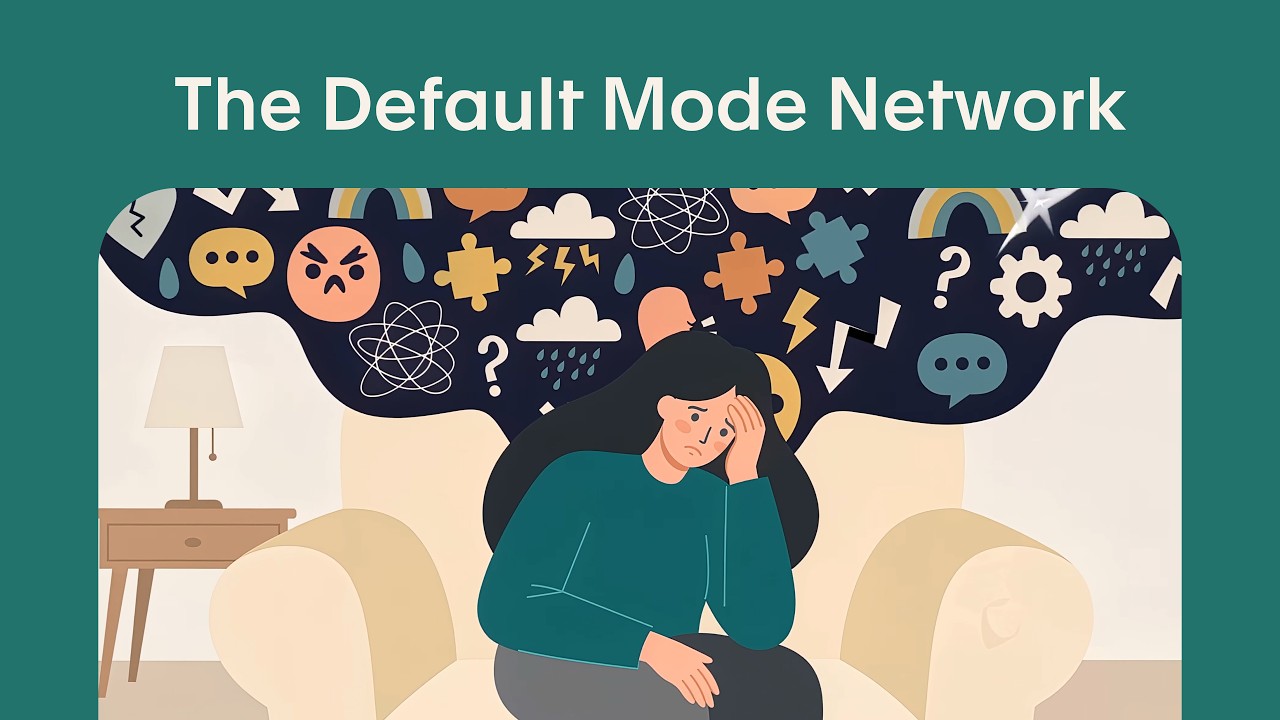
The Default Mode Network: why the mind never rests (and what it has to do with depression)
When it seems we are doing nothing, the brain still burns enormous energy. The Default Mode Network is responsible — a circuit that becomes hyperconnected in depression and fuels rumination.
Read more