Depression is not just a chemical imbalance: what really fails in the brain and why it matters for treatment
For decades depression was explained as a simple chemical imbalance. We now know it involves physical atrophy of connections in specific circuits, and that treating it blindly with drugs is unspecific. AI-guided neuromodulation changes the rules.
For decades we have been told that depression is a simple "chemical imbalance": serotonin is lacking, a pill tops it up and the problem is solved. It is a convenient explanation, easy to remember and, according to current science, incomplete. Understanding what really fails in the brain of a person with depression completely changes how we treat it.
Where the "chemical imbalance" idea comes from
The hypothesis was born in the mid-twentieth century, when it was observed that certain drugs that increased the availability of neurotransmitters such as serotonin or noradrenaline improved the mood of some patients. From there it was inferred, in reverse, that depression must be a shortage of those substances. The explanation was useful for developing the first antidepressants and for reducing the stigma of the illness, but it was never proven as a cause.
Some facts do not fit. Antidepressants raise neurotransmitter levels within hours, yet the clinical effect, when it comes, takes weeks. And a significant share of the people treated do not respond to a first drug, nor to a second. If depression were purely a chemistry problem, none of this should happen.
Flooding the city to put out one room
Tackling the problem with pills alone is like flooding an entire city to put out a fire in a single room. A drug spreads through the whole body and the whole brain, not just the circuits that are failing. That lack of specificity is what makes its side effects unpredictable: weight gain, sleep disturbances, loss of sexual desire, or an emotional numbness that many patients describe as "feeling nothing".
On top of that, traditional antidepressants force us to play trial and error. A drug is prescribed, several weeks pass to see whether it works, the dose is adjusted or the molecule changed, and the waiting starts again. It is the same general solution for millions of different brains. When two or more attempts fail, we speak of treatment-resistant depression, a situation affecting roughly one in three patients.
What we know today: depression is also physical
Neuroscience over the last two decades has shifted the focus from molecules to connections. We now know that depression is not just chemistry: it involves physical cellular atrophy. In very specific areas of the brain, such as the prefrontal cortex and the hippocampus, neurons lose dendrites and synapses under the effect of chronic stress and of the illness itself. The connections literally wither.
As a result, whole circuits stop communicating properly. The networks in charge of regulating emotions and "braking" negative thinking lose strength, while others, such as the default mode network, become hyperconnected and fuel rumination. Depression is better understood as a circuit disorder than as a shortage of a substance. And a circuit problem calls for a tool that acts on circuits.
AI-guided neuromodulation: the end of blind treatment
Neuromodulation acts on the brain’s electricity, not its chemistry. Transcranial magnetic stimulation (TMS) uses magnetic pulses to modulate the activity of specific circuits without introducing any substance into the body. That is why its side effects are local and mild rather than systemic.
But precision changes everything. Conventional TMS locates the target using external skull measurements, the same for everyone, even though the architecture of each brain is unique. AI-guided neuromodulation puts an end to blind treatment: starting from each person’s functional neuroimaging, it maps how their circuits are connected and directs the magnetic pulses exactly to the region that is failing.
A catalyst for plasticity
That precision acts as a catalyst. Repeated stimulation of the right circuit reactivates the brain’s plasticity, its ability to form and strengthen connections. Connections that had withered can grow back, and networks that had stopped talking to each other recover their communication.
A more plastic brain also learns better. That is why precision neuromodulation multiplies the effectiveness of psychotherapy: the patient can consolidate new patterns of thought and behaviour that previously would not "stick". It does not compete with therapy or medication; it amplifies them. And that opens the door to a goal that for years seemed out of reach for many patients: not just feeling less bad, but achieving full remission.
Leaving behind the idea of a simple chemical imbalance is not an academic nuance: it is what allows us to treat depression as what it is, a circuit disorder, and to do so with precision. If you want to know whether this approach may be right for you, you can learn about our treatment for patients.
Want to talk about your case?
Our team can guide you, with no commitment, toward the personalized neuromodulation treatment that best fits you.
Keep reading
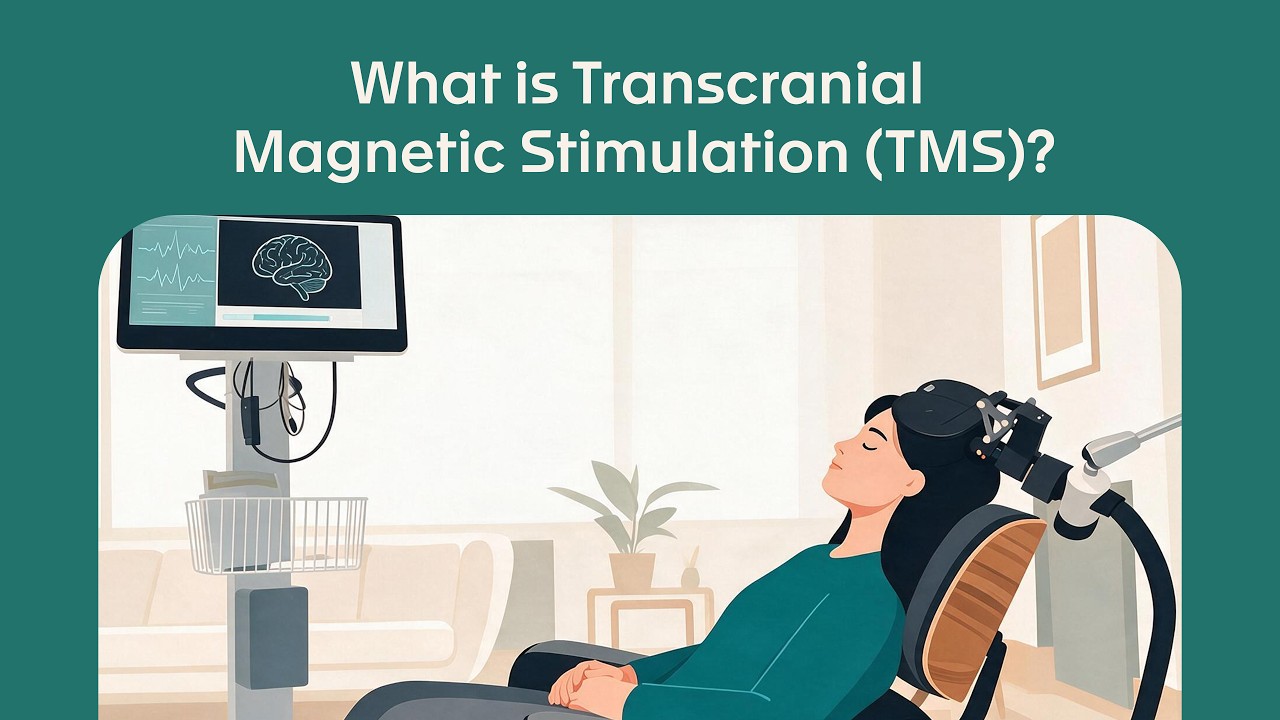
What is transcranial magnetic stimulation (TMS), and how it treats depression
Transcranial magnetic stimulation (TMS) is a non-invasive, drug-free neuromodulation technique that treats depression by modulating specific brain circuits. Here is how it works and what it is used for.
Read more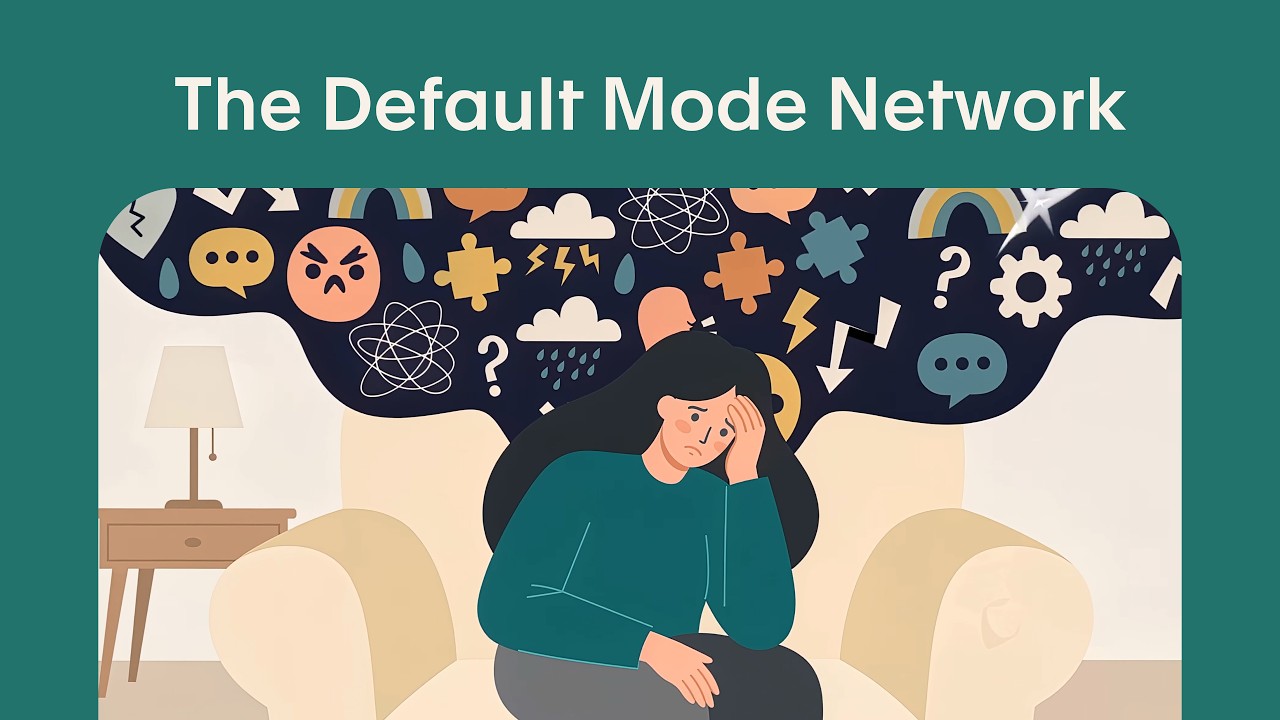
The Default Mode Network: why the mind never rests (and what it has to do with depression)
When it seems we are doing nothing, the brain still burns enormous energy. The Default Mode Network is responsible — a circuit that becomes hyperconnected in depression and fuels rumination.
Read more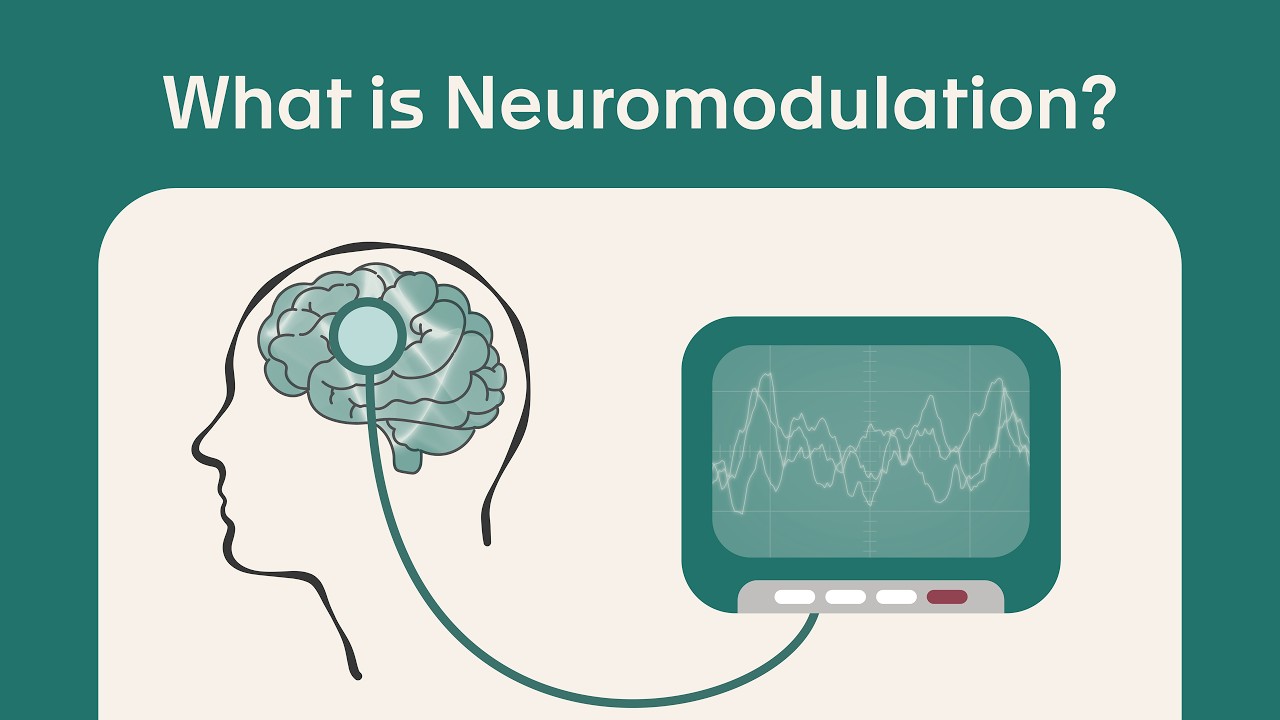
What is neuromodulation, and how it rebalances the brain’s circuits
Neuromodulation retunes the activity of altered brain circuits using controlled stimuli. Here is what it is, the types that exist, and why it is central to precision mental health.
Read more