The Default Mode Network: why the mind never rests (and what it has to do with depression)
When it seems we are doing nothing, the brain still burns enormous energy. The Default Mode Network is responsible — a circuit that becomes hyperconnected in depression and fuels rumination.
What happens in the brain when it seems we are doing absolutely nothing? Curiously, it keeps consuming an enormous amount of energy. Those sleepless nights going over past mistakes or imagining worrying futures have a scientific explanation: behind that unease lies a specific neural circuit that cannot switch off.
What is the Default Mode Network?
The Default Mode Network (DMN) is a fascinating brain circuit connecting, among other regions, the prefrontal cortex and the posterior cingulate. It gets its name because it activates "by default" when we are not focused on a specific task: while resting, daydreaming or staring out of the window. In those moments the network switches on to process our identity, recall the past, imagine the future and think about ourselves and others.
Under normal conditions it is a useful and essential network. The problem appears when it cannot turn off.
The Default Mode Network in depression: the rumination loop
In many cases of depression, this network becomes hyperconnected. Instead of switching on and off normally, it turns into an exhausting loop of rumination and obsessive thinking: circling the same mistakes, guilt and worries over and over, unable to anchor in the present. This hyperactivity of the Default Mode Network is one of the best-described brain signatures of depression.
Neuroscience shows that relieving that distress largely means regulating this network. Practices such as meditation and treatments such as neuromodulation help to quiet the circuit, releasing the weight of the loop and anchoring the mind back in the present.
Understanding how to calm this internal noise is the first step towards letting the mind rest. And doing it with precision, guided by each person’s own neuroimaging, is what separates stimulating "blindly" from treating the right circuit.
Want to talk about your case?
Our team can guide you, with no commitment, toward the personalized neuromodulation treatment that best fits you.
Keep reading
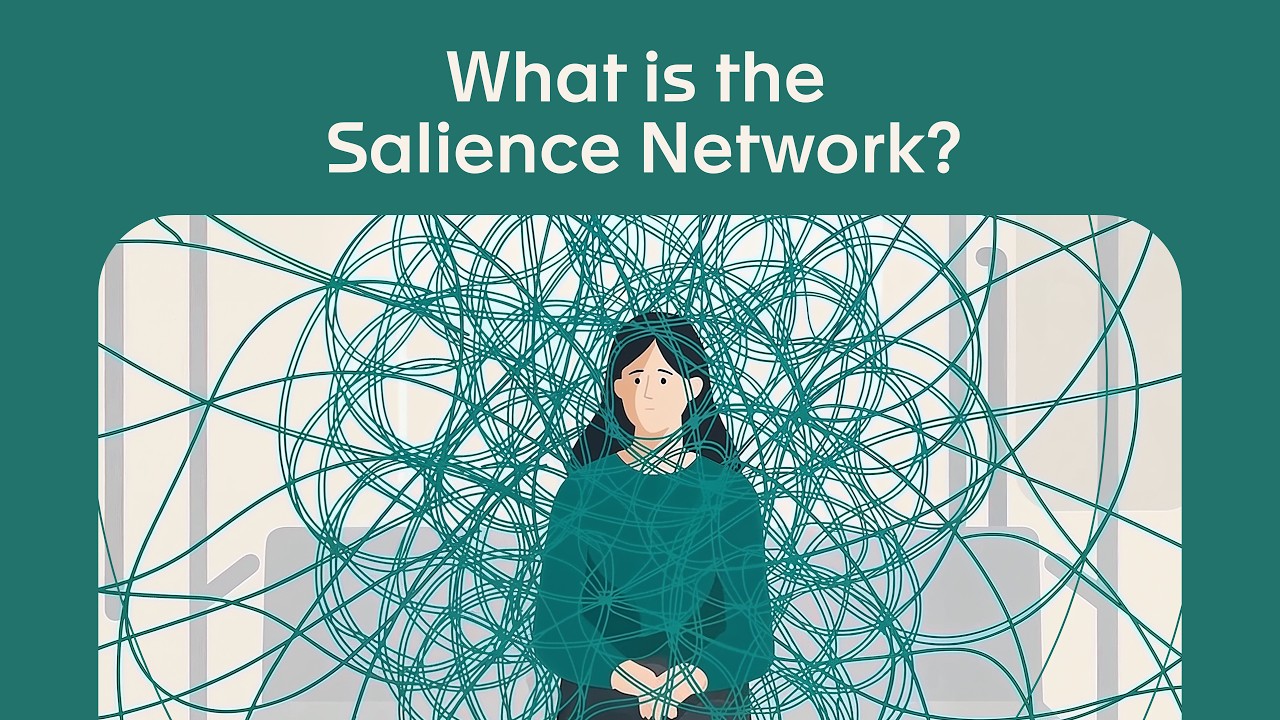
What is the Salience Network?
Why does depression make you feel so disconnected? The answer lies in the Salience Network, your attention’s traffic director, which in depression loses flexibility and gets stuck activating the Default Mode Network.
Read more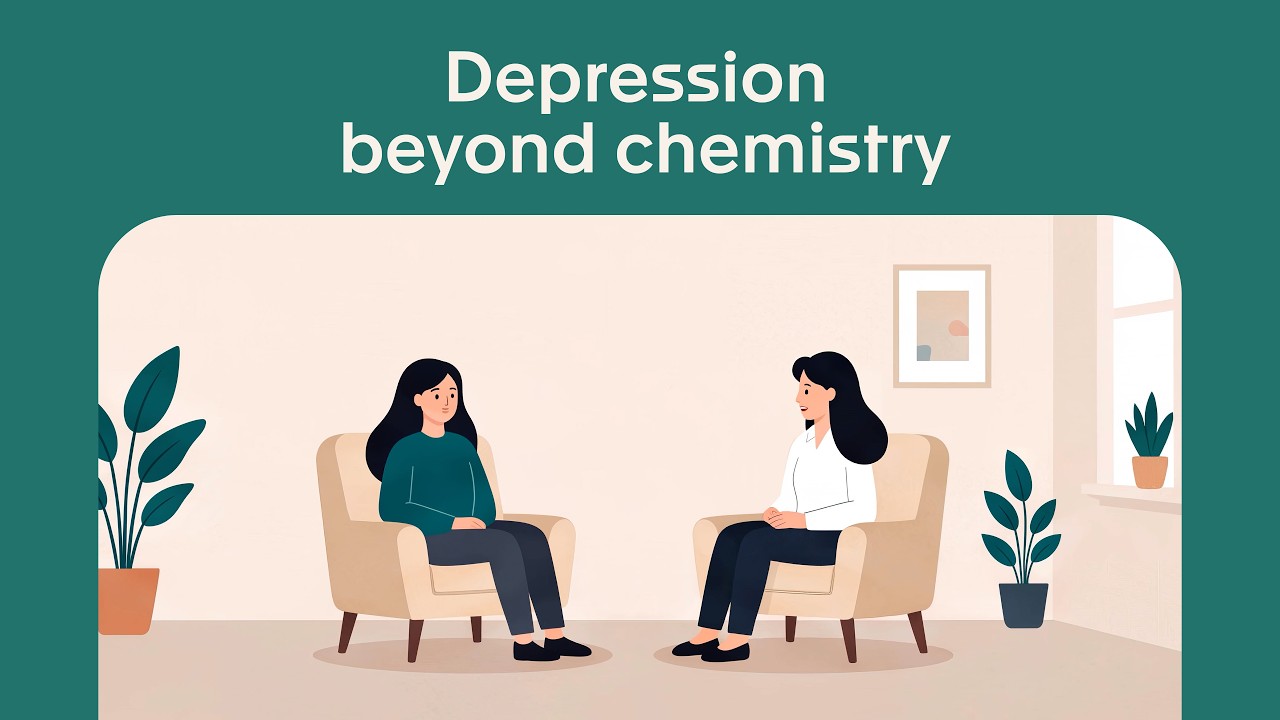
Depression is not just a chemical imbalance: what really fails in the brain and why it matters for treatment
For decades depression was believed to be a simple chemical imbalance. We now know it involves physical atrophy of connections in very specific brain areas, and that treating it with pills alone is unspecific. AI-guided neuromodulation directs treatment to the affected circuits.
Read more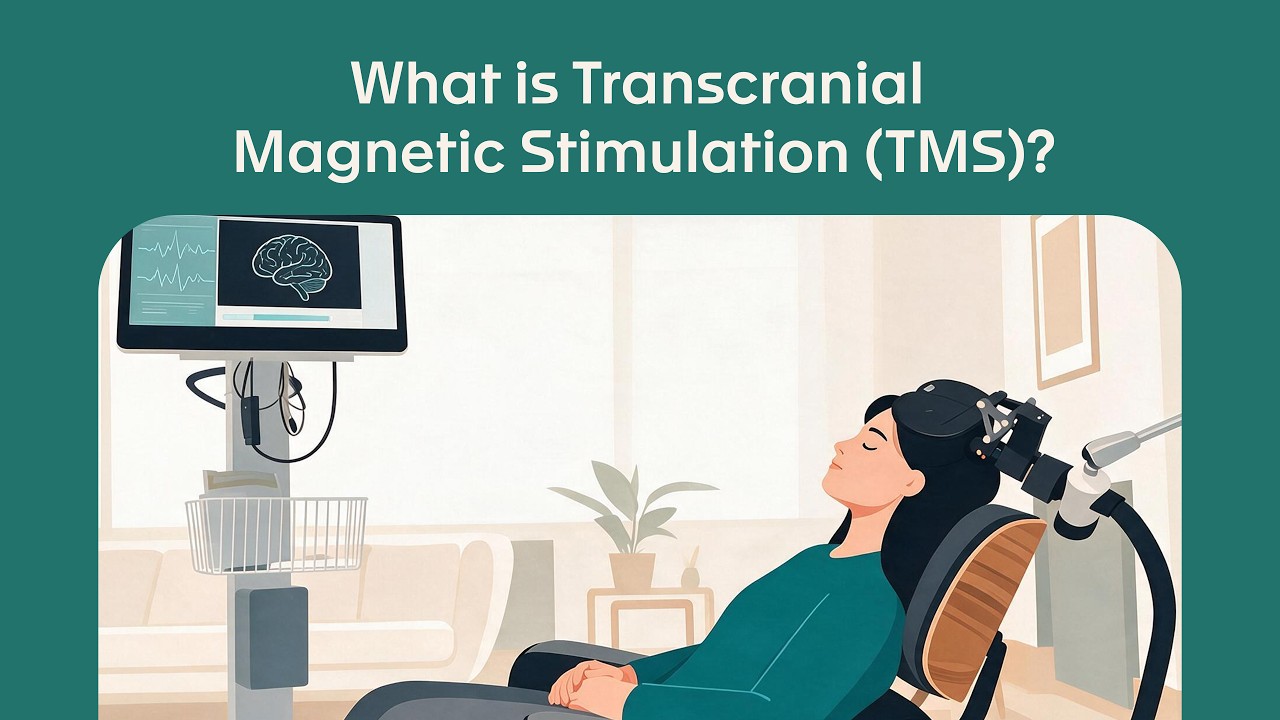
How transcranial magnetic stimulation (TMS) works
A clear explanation of how TMS works: how magnetic pulses modulate the brain’s circuits, what a session feels like, and why it is a non-invasive, safe technique. With video.
Read more