The patient experience: what a session is like
It is common to feel some unease before a new treatment. Here is exactly what happens in a Connectoma session: outpatient, no anaesthesia, what it feels like and what side effects it has.
It is common to feel some unease before a new treatment. That is why we want to describe exactly what happens in a Connectoma session, so you know what to expect from the moment you walk through the door.
Outpatient, no admission and no anaesthesia
The treatment is fully outpatient: it requires no hospital admission, no prior preparation and —very importantly— no anaesthesia or sedation.
What a session is like, step by step
You arrive at the clinic, sit in a reclining chair designed for your comfort, and we place the magnetic coil over your head, guided by the neuronavigation system. During the few minutes the stimulation lasts you are fully awake and conscious. When the session ends you get up and can carry on with your day completely normally: drive, work, exercise, whatever you like.
What does a session feel like?
Most patients describe a tapping sensation on the scalp. For some people it can be a little uncomfortable at first, but we can adjust the intensity so it is tolerable.
Side effects: the difference from drugs
As for side effects, the difference from drugs is vast. The most common adverse effect of TMS is mild, local discomfort or a slight headache that resolves spontaneously with a common painkiller. It is a safe, painless and effective treatment.
Want to talk about your case?
Our team can guide you, with no commitment, toward the personalized neuromodulation treatment that best fits you.
Keep reading
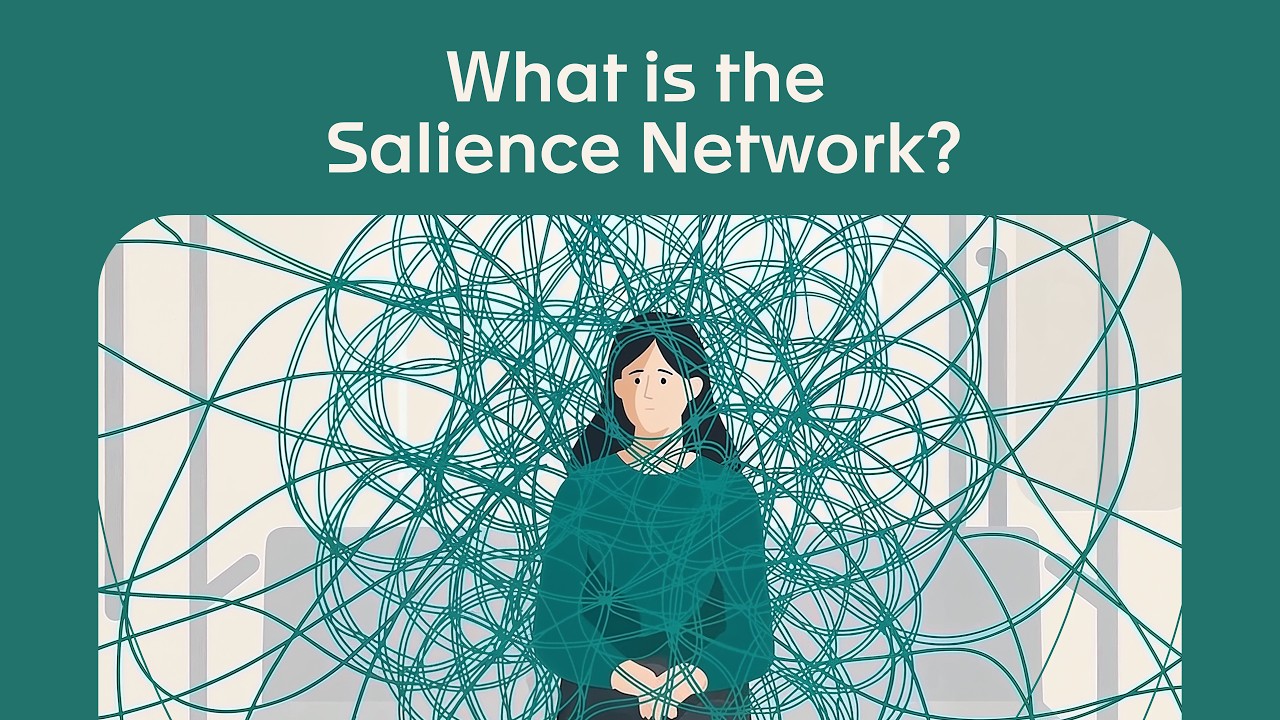
What is the Salience Network?
Why does depression make you feel so disconnected? The answer lies in the Salience Network, your attention’s traffic director, which in depression loses flexibility and gets stuck activating the Default Mode Network.
Read more
Depression is not just a chemical imbalance: what really fails in the brain and why it matters for treatment
For decades depression was believed to be a simple chemical imbalance. We now know it involves physical atrophy of connections in very specific brain areas, and that treating it with pills alone is unspecific. AI-guided neuromodulation directs treatment to the affected circuits.
Read more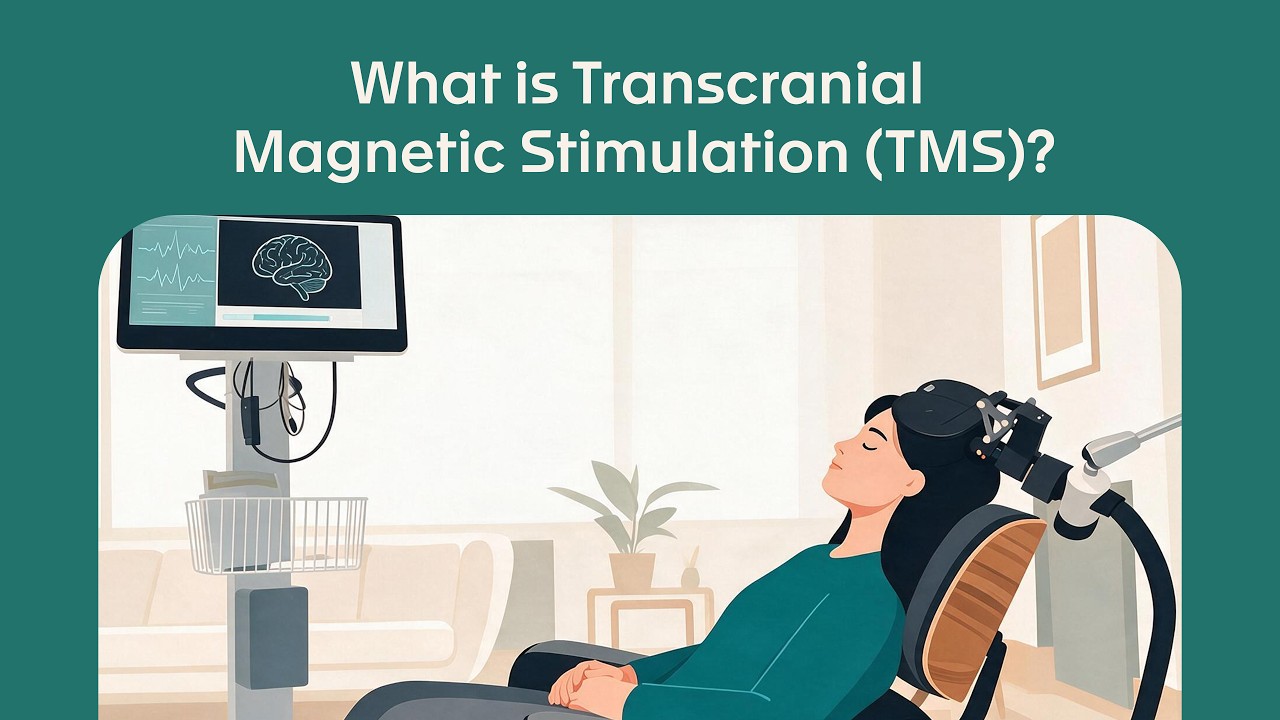
How transcranial magnetic stimulation (TMS) works
A clear explanation of how TMS works: how magnetic pulses modulate the brain’s circuits, what a session feels like, and why it is a non-invasive, safe technique. With video.
Read more