Medical prescription of the treatment: is it for you?
The Connectoma Protocol is indicated above all for treatment-resistant depression. Here is who is a good candidate, what the clinical goal is and which contraindications exist.
The Connectoma Protocol is indicated mainly for people who suffer from what we call treatment-resistant depression. It is designed to act where conventional pharmacology has fallen short.
Who is a good candidate?
If you have tried several antidepressant treatments without success, or if the side effects of the drugs are intolerable for you and affect your quality of life, you are a good candidate for this treatment. It can also be considered as part of a broader plan, alongside psychotherapy and, where appropriate, medication. Some clinical pathways already propose TMS as a first-line therapeutic option, as an alternative to medication.
Our goal: remission, not a patch
At Connectoma we do not aim to put a patch on the symptoms so they become more tolerable or so you learn to live with them. Our clinical goal is ambitious but realistic: we seek the greatest possible improvement and, when possible, full remission.
Every case is different
Depression is a multifactorial condition: biology, personality, lifestyle habits, past trauma and environment all play a part. That is why an effective treatment must be personalized and closely monitored.
Contraindications and safety
There are some specific contraindications we must respect, such as people with metal implants in the head (aneurysm clips, cochlear implants) or incompatible medical devices (some pacemakers or deep brain stimulators). That is why, before starting treatment, we carry out a complete medical evaluation to guarantee your safety and confirm that this is the right path for you.
The present and future of psychiatry
Neuromodulation is the present and the future of psychiatry. Although our main focus is depression, this technology is already opening doors in the treatment of addictions and obsessive disorder, which shows its immense capacity to restore brain balance. In addition, the results of our research let us train artificial intelligence and deep learning models that will reduce the time and cost of the process, making these treatments far more accessible.
Want to talk about your case?
Our team can guide you, with no commitment, toward the personalized neuromodulation treatment that best fits you.
Keep reading
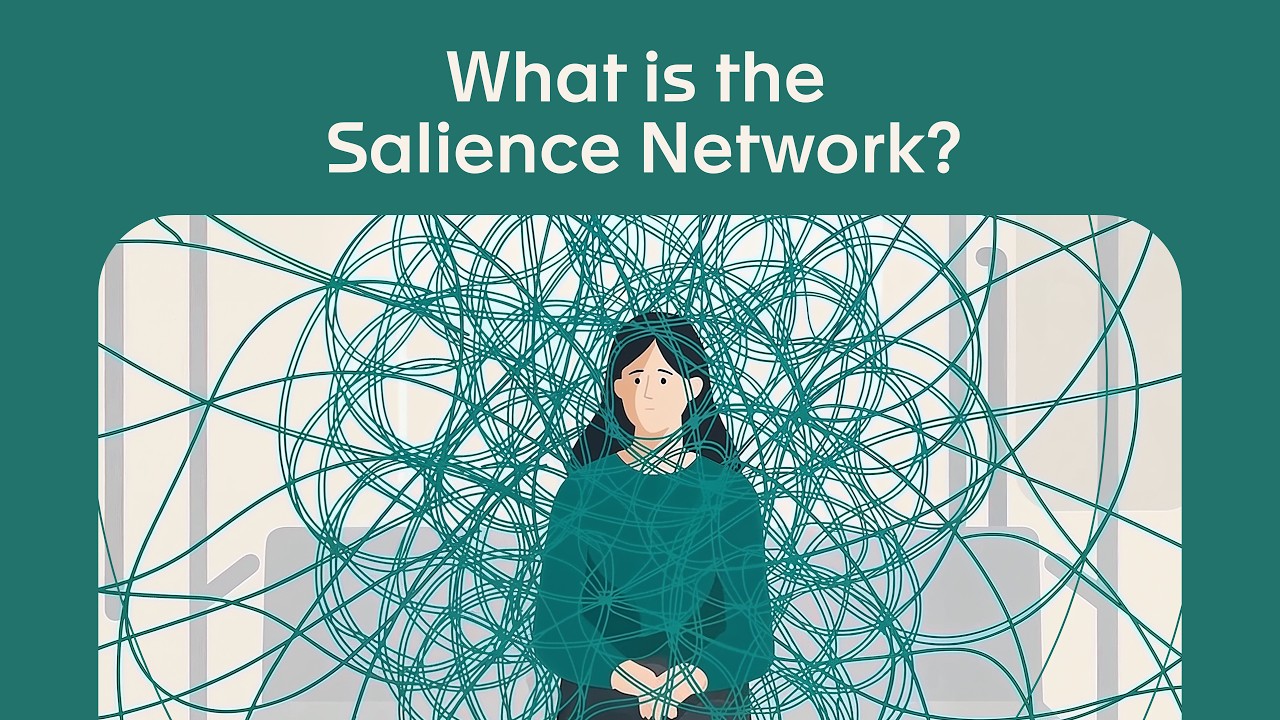
What is the Salience Network?
Why does depression make you feel so disconnected? The answer lies in the Salience Network, your attention’s traffic director, which in depression loses flexibility and gets stuck activating the Default Mode Network.
Read more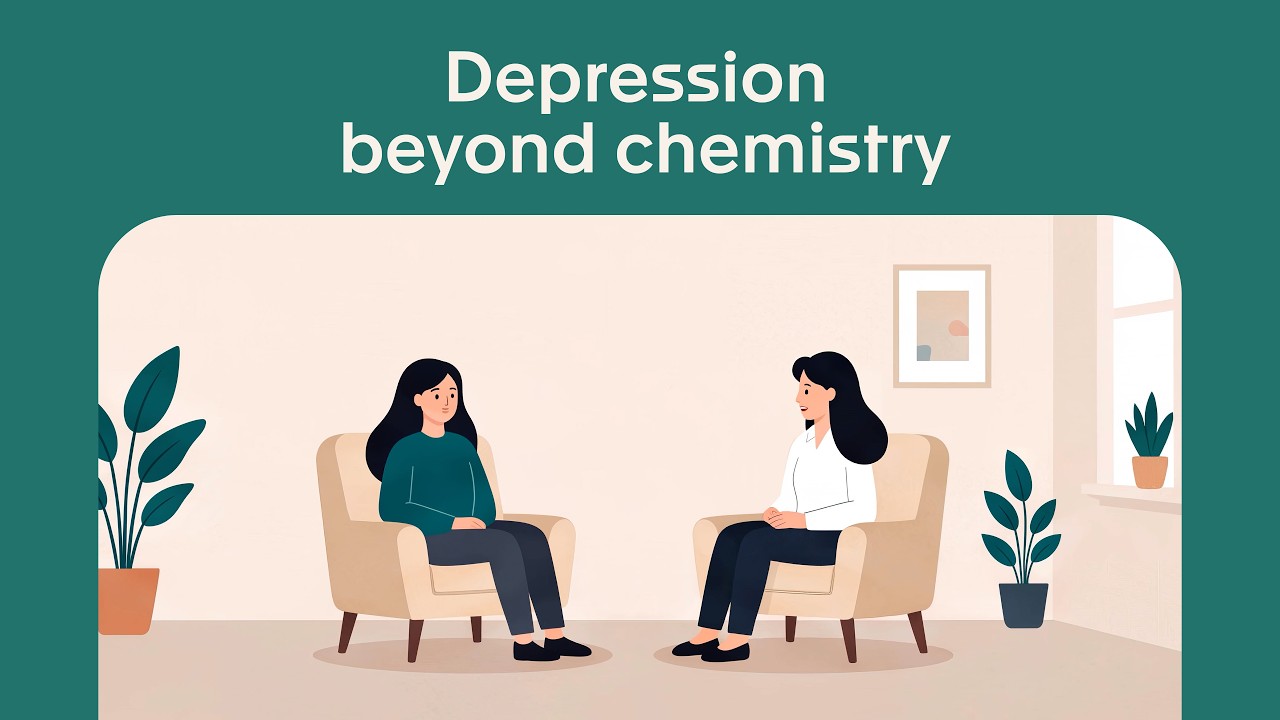
Depression is not just a chemical imbalance: what really fails in the brain and why it matters for treatment
For decades depression was believed to be a simple chemical imbalance. We now know it involves physical atrophy of connections in very specific brain areas, and that treating it with pills alone is unspecific. AI-guided neuromodulation directs treatment to the affected circuits.
Read more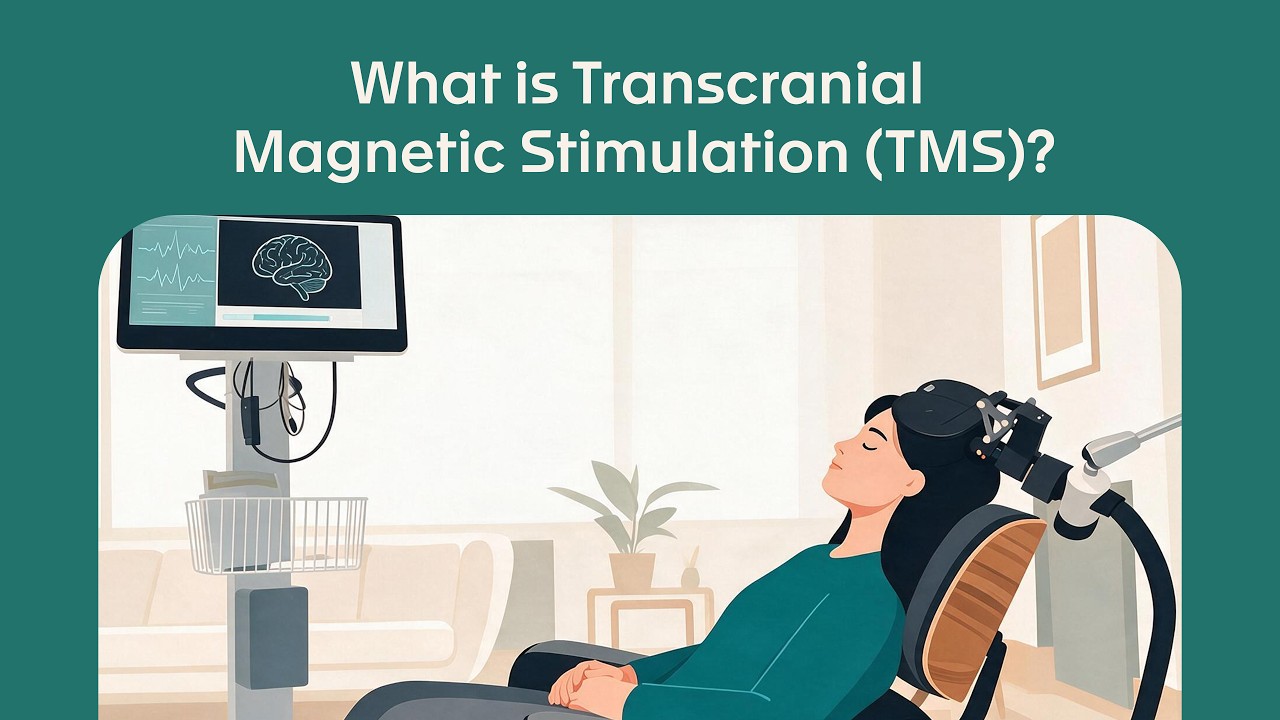
How transcranial magnetic stimulation (TMS) works
A clear explanation of how TMS works: how magnetic pulses modulate the brain’s circuits, what a session feels like, and why it is a non-invasive, safe technique. With video.
Read more