What is neuromodulation, and how it rebalances the brain’s circuits
Neuromodulation retunes the activity of altered brain circuits using controlled stimuli. Here is what it is, the types that exist, and why it is central to precision mental health.
The brain works like the most advanced communication network in existence: billions of neurons exchanging information without pause to keep the body running. But sometimes the system fails. Electrical signals become altered or blocked, and that "short circuit" can translate into neurological disorders, chronic pain or depression. Neuromodulation exists precisely to rebalance that network.
What is neuromodulation?
Neuromodulation is a set of techniques that deliver controlled stimuli —electrical or magnetic— to strategic areas of the nervous system in order to regulate the activity of the affected circuits. Instead of acting diffusely on the whole organism, as many drugs do, neuromodulation acts directly on the brain networks involved in each disorder.
A good way to picture it is a conductor tuning an instrument: the stimulus retunes neuronal activity, dissolves the "chaos" of the altered signals and lets information flow normally again. It is not magic, it is science: neuroscience applied with precision.
Types of neuromodulation
Not all neuromodulation techniques are the same. They differ mainly in the kind of stimulus they use and in whether they are invasive or not:
- Non-invasive magnetic neuromodulation: transcranial magnetic stimulation (TMS) uses magnetic pulses to modulate the cerebral cortex without surgery or drugs. It is the most established in mental health.
- Non-invasive electrical neuromodulation: such as transcranial direct current stimulation (tDCS), which applies low-intensity currents over the scalp.
- Invasive neuromodulation: such as deep brain stimulation (DBS) or vagus nerve stimulation (VNS), which require implanted electrodes and are reserved for specific cases.
Of all of them, the technique with the most evidence and the best safety profile for mental health is TMS. We dedicate a full article to it: what transcranial magnetic stimulation is.
Neuromodulation and mental health
In disorders such as depression, certain brain circuits work out of sync. Neuromodulation makes it possible to "retune" that network by acting on regions key to mood regulation. That is why it has become one of the best-evidenced options for people who have not improved on medication: what we call treatment-resistant depression.
Neuromodulation gives quality of life back to those who need it most. To see how we apply personalized TMS to depression, explore our treatment for patients or review the scientific evidence behind every clinical decision.
Want to talk about your case?
Our team can guide you, with no commitment, toward the personalized neuromodulation treatment that best fits you.
Keep reading
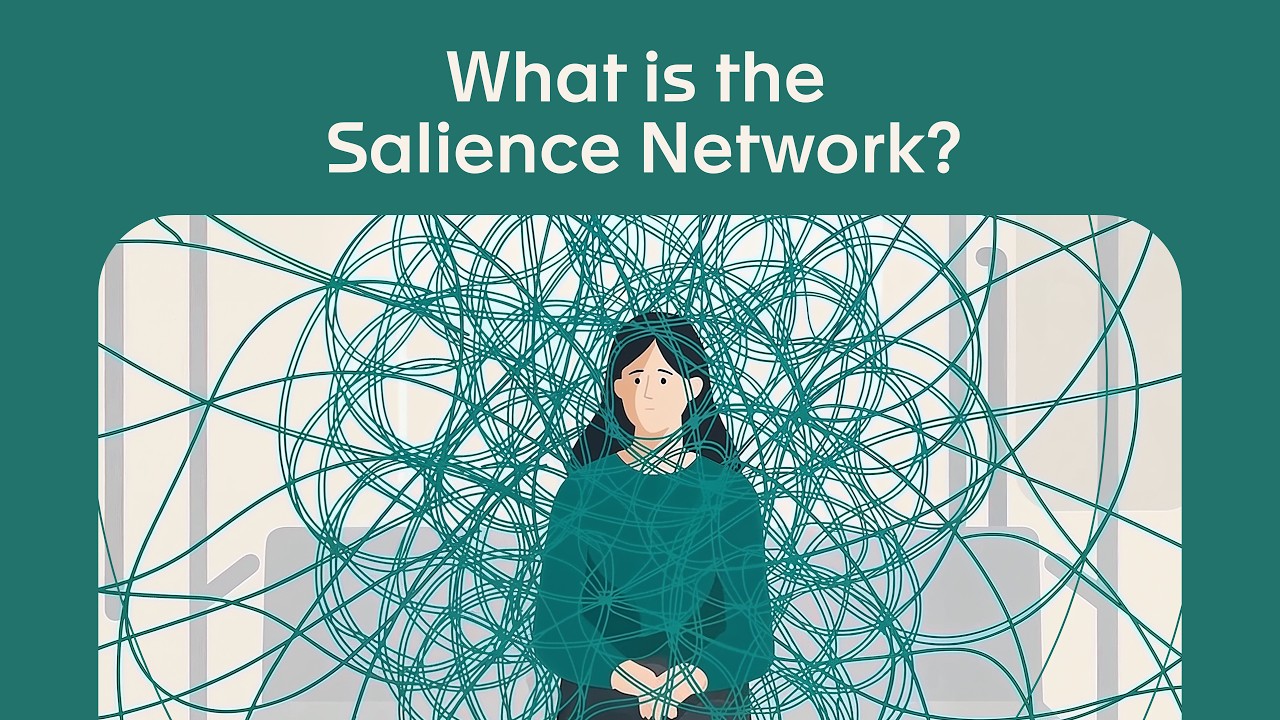
What is the Salience Network?
Why does depression make you feel so disconnected? The answer lies in the Salience Network, your attention’s traffic director, which in depression loses flexibility and gets stuck activating the Default Mode Network.
Read more
Depression is not just a chemical imbalance: what really fails in the brain and why it matters for treatment
For decades depression was believed to be a simple chemical imbalance. We now know it involves physical atrophy of connections in very specific brain areas, and that treating it with pills alone is unspecific. AI-guided neuromodulation directs treatment to the affected circuits.
Read more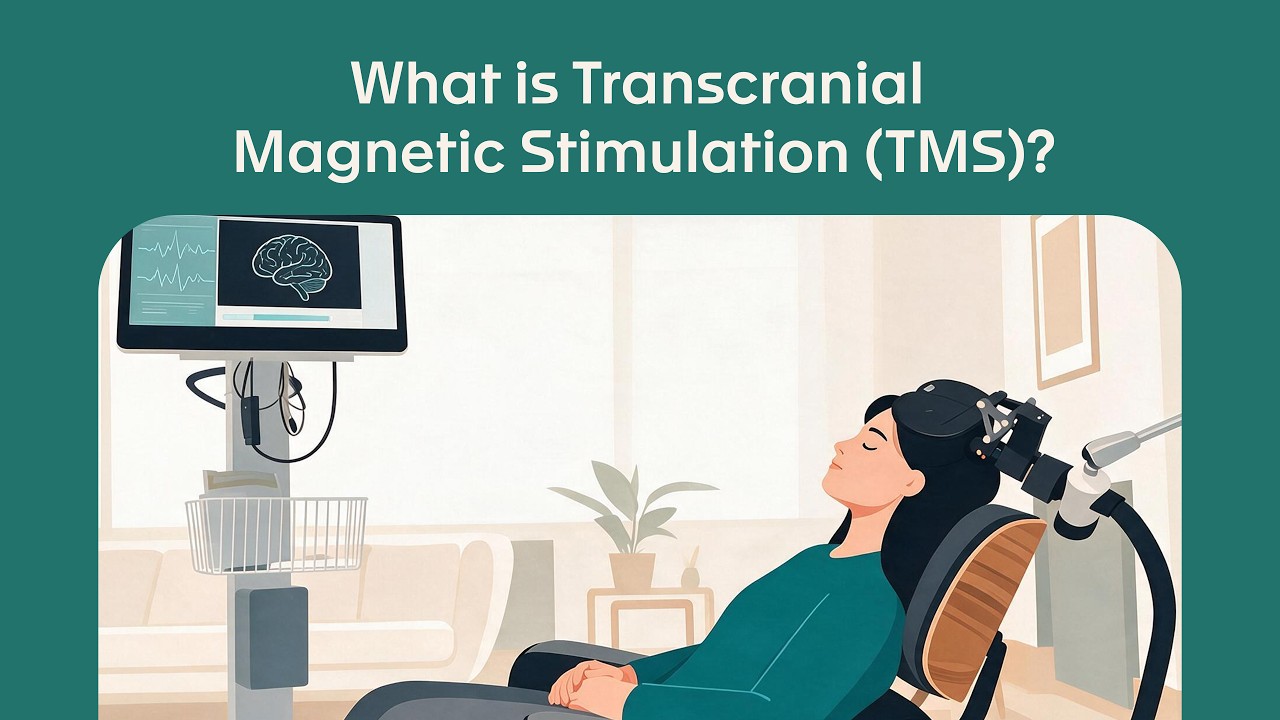
How transcranial magnetic stimulation (TMS) works
A clear explanation of how TMS works: how magnetic pulses modulate the brain’s circuits, what a session feels like, and why it is a non-invasive, safe technique. With video.
Read more