How Connectoma uses precision neuroimaging
Magnetic stimulation is no longer a "one-size-fits-all" procedure. With functional MRI, artificial intelligence and neuronavigation we calculate the exact brain point to treat in each person.
Until recently, magnetic stimulation was applied as a "one-size-fits-all" procedure: standard measurements were used to locate the treatment point in every patient alike. This made the process more imprecise and, generally, less effective.
From "one size fits all" to precision medicine
At Connectoma we have changed that paradigm by applying a revolutionary scientific protocol and the most advanced neuronavigation technology. You can picture it as a GPS that helps us aim the stimulation at the most suitable place according to your brain pattern.
A GPS for your brain
After the psychiatric diagnosis, we perform a functional MRI. We then apply artificial intelligence and deep learning algorithms to calculate, with millimetric precision, the exact place in the brain where treatment will be most effective. Once that point —specific and unique to each person— is located, the stimulation goes straight to the target.
Clinically validated protocols
We make this calculation using algorithms and protocols clinically validated by Stanford University, together with our own research developed with the Complutense University of Madrid.
What exactly we are looking for
Technically, we look for the point of the prefrontal cortex —at the front of the brain— whose connectivity is inversely related to a deep region called the subgenual cingulate cortex. In simpler terms: we identify the "gateway" to regulate the deep brain area that is usually altered in depressive states, closely tied to the default mode network.
Want to talk about your case?
Our team can guide you, with no commitment, toward the personalized neuromodulation treatment that best fits you.
Keep reading
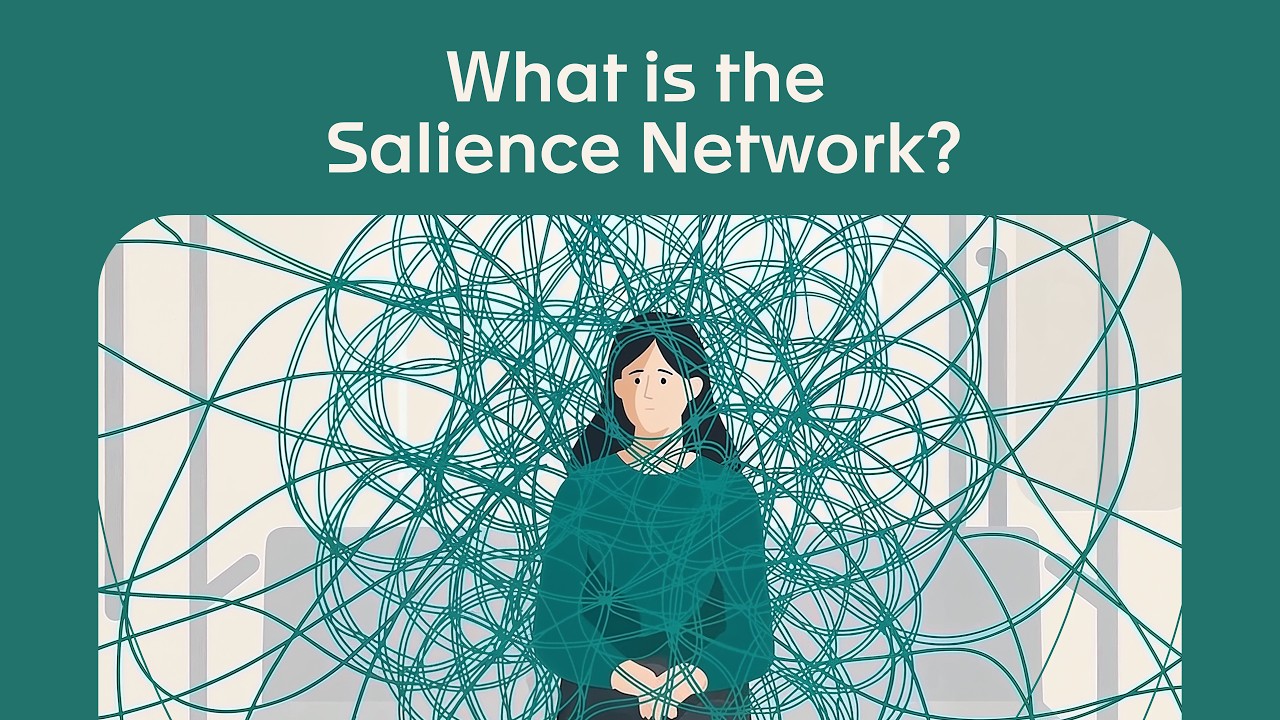
What is the Salience Network?
Why does depression make you feel so disconnected? The answer lies in the Salience Network, your attention’s traffic director, which in depression loses flexibility and gets stuck activating the Default Mode Network.
Read more
Depression is not just a chemical imbalance: what really fails in the brain and why it matters for treatment
For decades depression was believed to be a simple chemical imbalance. We now know it involves physical atrophy of connections in very specific brain areas, and that treating it with pills alone is unspecific. AI-guided neuromodulation directs treatment to the affected circuits.
Read more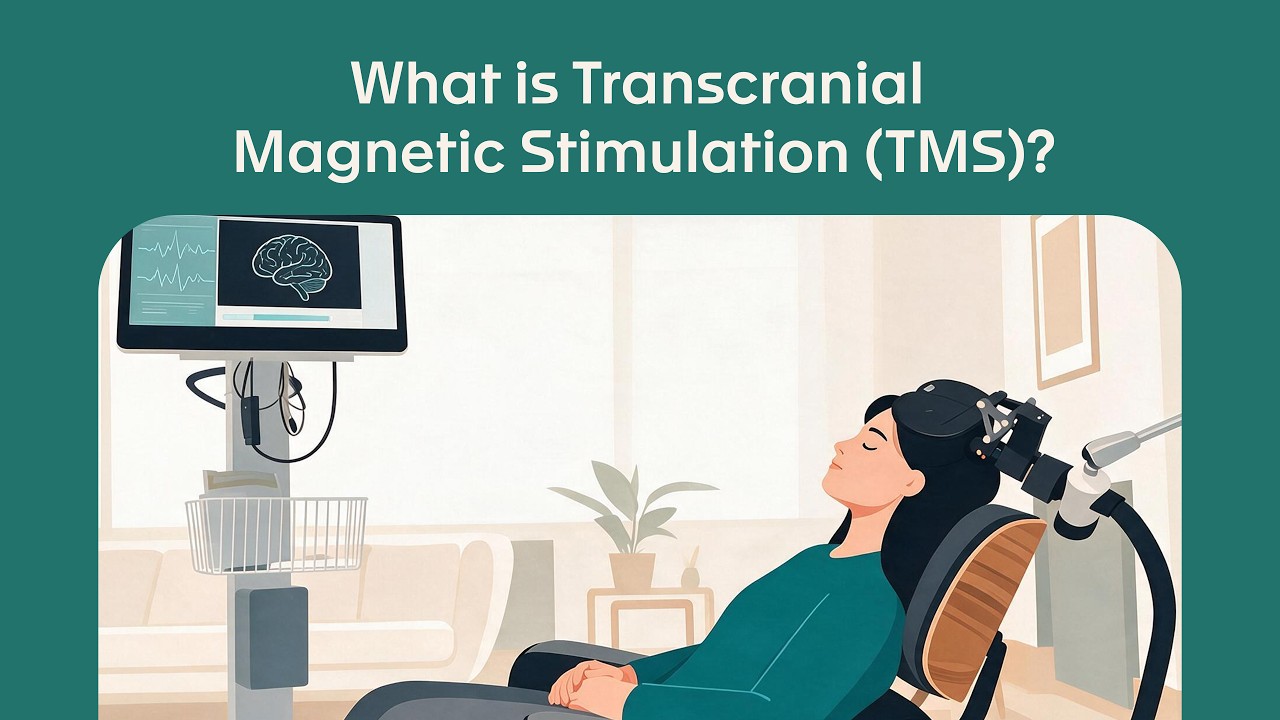
How transcranial magnetic stimulation (TMS) works
A clear explanation of how TMS works: how magnetic pulses modulate the brain’s circuits, what a session feels like, and why it is a non-invasive, safe technique. With video.
Read more