Results: remission rates and how fast the treatment works
The protocol has shown remission rates close to 80% in resistant depression, with palpable improvement from the first week. Here are the figures, the accelerated protocol and the role of neuroplasticity.
The clinical data of the protocol used has shown great efficacy in patients with resistant depression, offering remission rates close to 80%. What matters most is not only the percentage, but the speed at which it acts. You can review the studies that support it in our scientific evidence.
Improvement from the first week
While traditional drugs can take weeks to show effects, with this protocol clinical improvement is usually palpable from the first week. This is due to the speed and precision with which we apply the magnetic stimulation.
The accelerated protocol
A standard cycle at Connectoma consists of 10 daily sessions of about 10 minutes each, over 5 days. We concentrate the therapeutic load to maximize neuroplasticity in a short period of time.
What happens after those 5 days?
It is important to understand that we are not "healing" the brain temporarily: what we seek with this treatment format is to consolidate the change. We teach the neurons to communicate effectively again and, thanks to neuroplasticity, the brain learns to maintain that state on its own once treatment is over. The goal is for the brain to return to its natural functioning.
Follow-up and maintenance
Once that intensive week is over, the doctor’s job is to carry out a thorough follow-up of the patient’s progress. For this we have an exclusive app that helps the doctor monitor your evolution and prevents possible relapses with greater assurance. Although most patients experience significant improvement, in some cases reminder or long-term maintenance sessions may be needed to consolidate wellbeing.
Want to talk about your case?
Our team can guide you, with no commitment, toward the personalized neuromodulation treatment that best fits you.
Keep reading
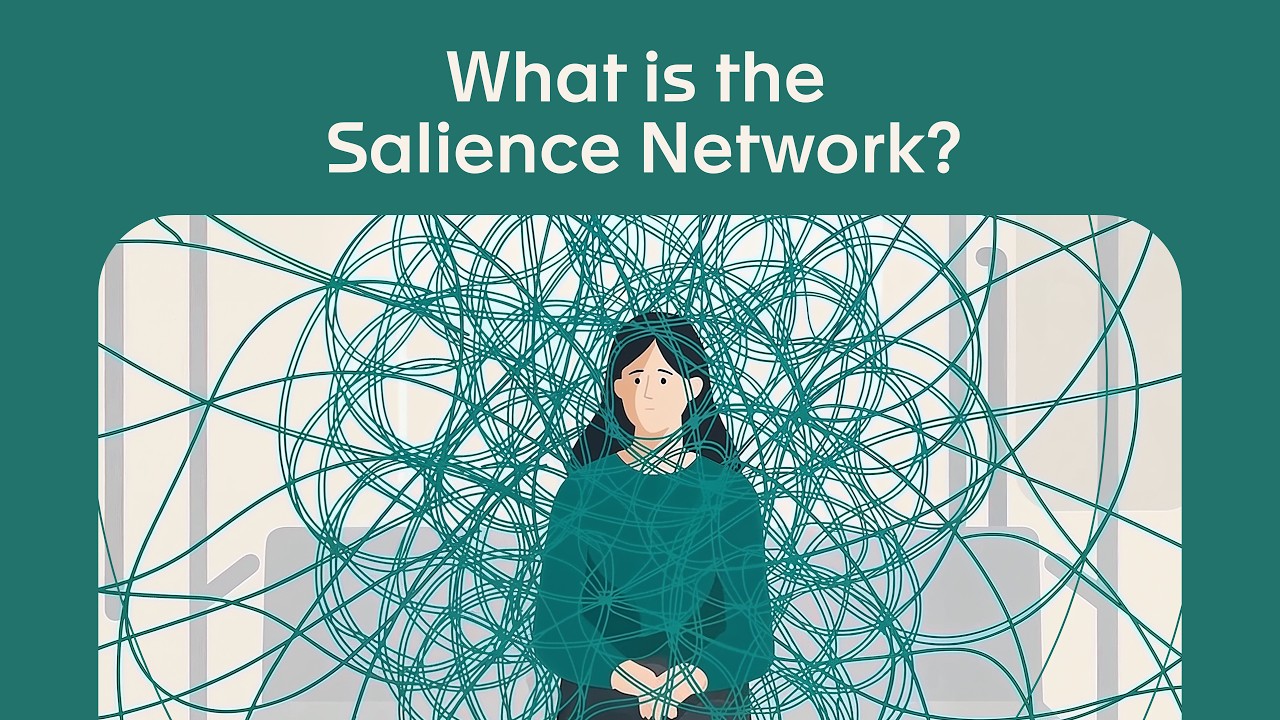
What is the Salience Network?
Why does depression make you feel so disconnected? The answer lies in the Salience Network, your attention’s traffic director, which in depression loses flexibility and gets stuck activating the Default Mode Network.
Read more
Depression is not just a chemical imbalance: what really fails in the brain and why it matters for treatment
For decades depression was believed to be a simple chemical imbalance. We now know it involves physical atrophy of connections in very specific brain areas, and that treating it with pills alone is unspecific. AI-guided neuromodulation directs treatment to the affected circuits.
Read more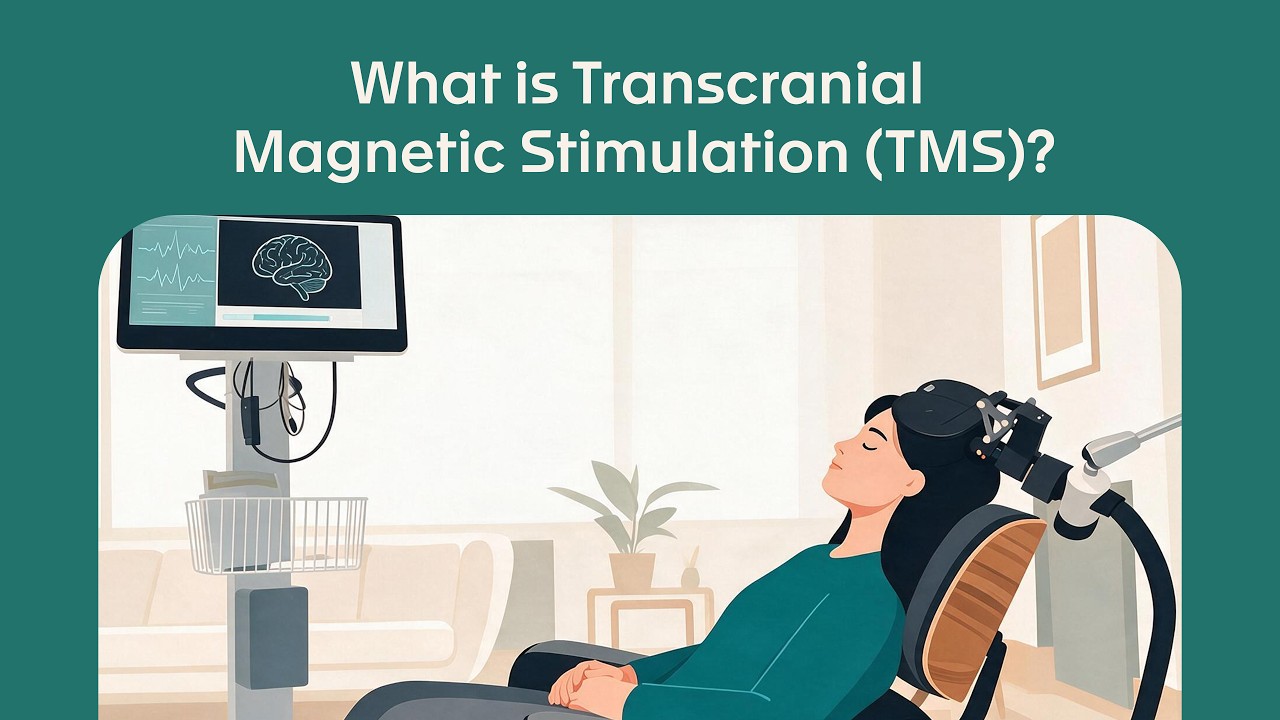
How transcranial magnetic stimulation (TMS) works
A clear explanation of how TMS works: how magnetic pulses modulate the brain’s circuits, what a session feels like, and why it is a non-invasive, safe technique. With video.
Read more