The scientific basis of the Connectoma Protocol
Very high effectiveness rates for a condition as complex as depression can sound like science fiction, but they are evidence-based science. Here is why magnetic stimulation works and what backs it.
It is understandable to feel a certain scepticism when hearing about a treatment with such a high effectiveness range for a condition as complex as depression. It may sound like science fiction, but what we do at Connectoma is strictly evidence-based science: a tangible medical reality that meets the highest safety standards of the international scientific community.
An approved, evidence-backed treatment
This treatment for resistant depression is approved by the European Medicines Agency (EMA) and by the FDA in the United States, where it has been used for years with excellent results. It is not a promise: it is a consolidated technique, backed by a broad body of scientific evidence.
The brain is an electrochemical organ
To understand why this treatment is so effective, you need to understand the nature of the brain. It runs on two engines: chemistry and electricity. Conventional drug treatments have focused almost exclusively on the chemical side, trying to regulate neurotransmitters such as serotonin. Yet we now know that depression is not just a chemical imbalance.
But sometimes the origin of resistant depression is not a mere deficit of neurotransmitters, but a failure in brain connectivity. If the neural "roads" are disconnected or underactive, no matter how much chemistry we add, the message may not get through. This is where transcranial magnetic stimulation comes in.
What is transcranial magnetic stimulation?
It is a non-invasive neuromodulation technique whose function is to regulate the electrical activity of neurons using electromagnetic pulses. In processes such as depression, some brain areas show deficient communication or altered activity.
Depending on the frequency and the way these pulses are delivered, we can increase or decrease the excitability of those neurons. The goal is to restore functional connectivity: to make the brain areas that are not talking to each other properly transmit information smoothly again. We dedicate a full article to what transcranial magnetic stimulation is.
A complement, not a competitor
Magnetic stimulation does not compete with other treatments: it is often used as a complement, especially when medication and psychotherapy do not achieve the expected improvement or when side effects are hard to tolerate.
Want to talk about your case?
Our team can guide you, with no commitment, toward the personalized neuromodulation treatment that best fits you.
Keep reading
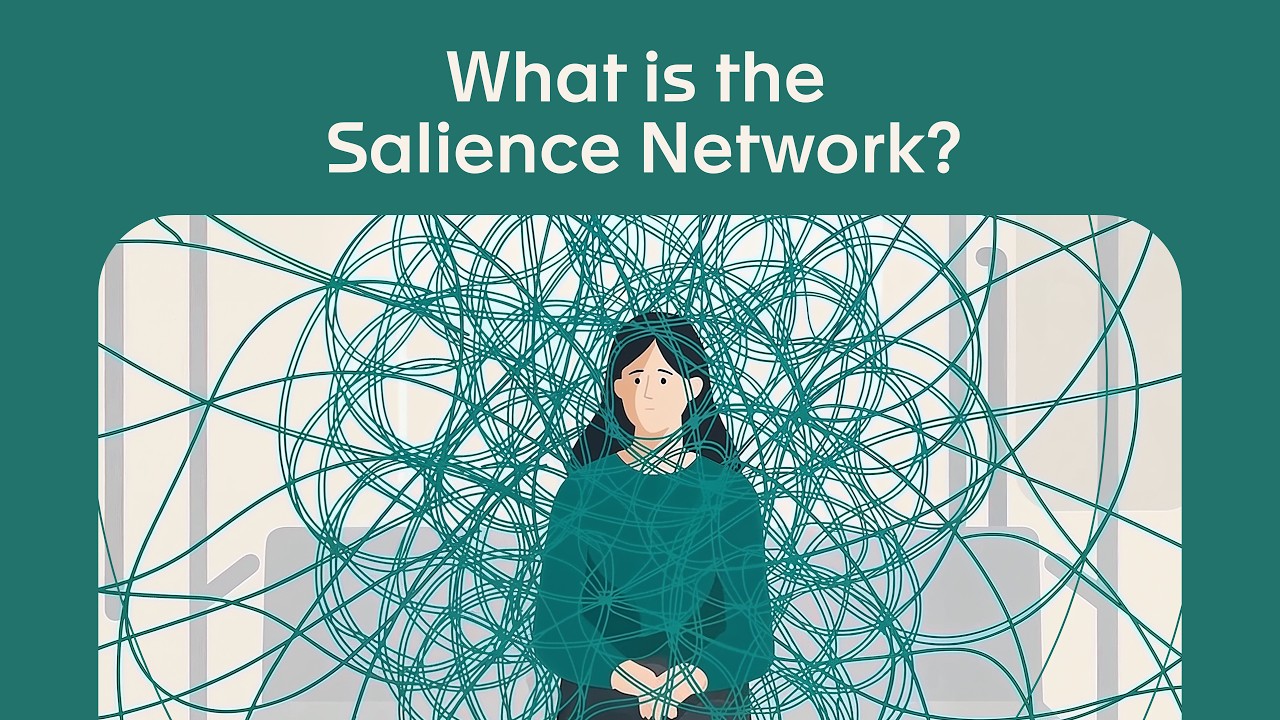
What is the Salience Network?
Why does depression make you feel so disconnected? The answer lies in the Salience Network, your attention’s traffic director, which in depression loses flexibility and gets stuck activating the Default Mode Network.
Read more
Depression is not just a chemical imbalance: what really fails in the brain and why it matters for treatment
For decades depression was believed to be a simple chemical imbalance. We now know it involves physical atrophy of connections in very specific brain areas, and that treating it with pills alone is unspecific. AI-guided neuromodulation directs treatment to the affected circuits.
Read more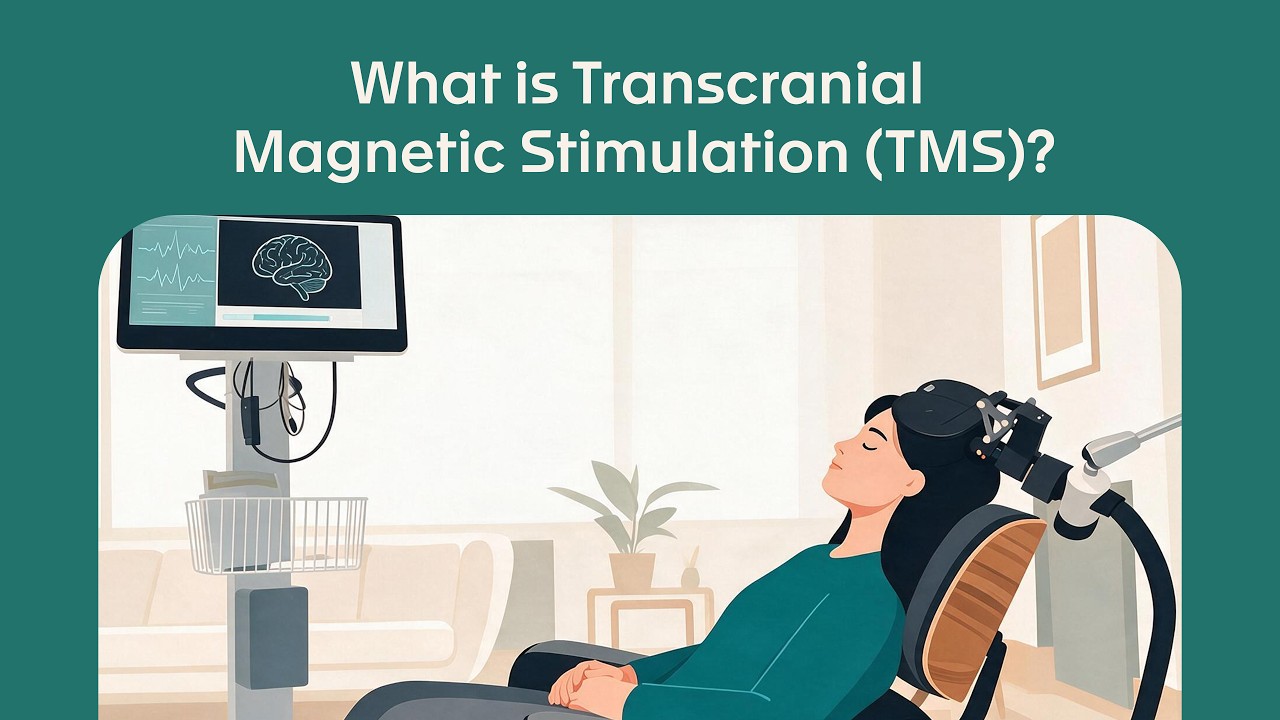
How transcranial magnetic stimulation (TMS) works
A clear explanation of how TMS works: how magnetic pulses modulate the brain’s circuits, what a session feels like, and why it is a non-invasive, safe technique. With video.
Read more