How transcranial magnetic stimulation (TMS) works
A clear explanation of how TMS works: how magnetic pulses modulate the brain’s circuits, what a session feels like, and why it is a non-invasive, safe technique. With video.
Transcranial magnetic stimulation (TMS) is the most established neuromodulation technique for treating depression. It is non-invasive, drug-free and backed by agencies such as the FDA. But what exactly is it, and how does it improve mood?
What is transcranial magnetic stimulation (TMS)?
TMS is a form of neuromodulation that uses magnetic pulses —the same physical principles as an MRI scan— to non-invasively induce small electrical currents in the cerebral cortex. A coil placed over the head generates those magnetic fields and modulates the activity of a specific brain region, with no surgery, anaesthesia or hospital stay.
How does TMS work?
In depression, certain brain circuits work out of sync. TMS stimulates the dorsolateral prefrontal cortex —a region key to mood regulation— and through it modulates deeper structures involved in the illness. Repeated across sessions, this stimulation helps "retune" the network and restore more balanced functioning.
- Non-invasive: no surgery or anaesthesia. The patient stays awake and returns to their day as usual.
- Non-pharmacological: it introduces no substances into the body, avoiding many of the systemic side effects of antidepressants.
- Focal: it acts on specific brain circuits rather than on the whole body.
- Outpatient: each session takes just a few minutes and requires no admission.
What is TMS used for?
The best-evidenced indication is depression, especially treatment-resistant depression (when medication has not worked). TMS is also used or being researched in other conditions such as obsessive-compulsive disorder (OCD), anxiety and addictions. You can see the supporting studies on our scientific evidence page.
Accelerated, personalized TMS: the next step
Conventional TMS usually requires one daily session over 4 to 6 weeks. Accelerated TMS protocols concentrate several sessions per day over just a few days, achieving results in far less time and with a safety profile that is at least as good. And when the target is calculated with individual functional neuroimaging, rather than standard scalp measurements, efficacy improves markedly.
Is TMS safe?
TMS has a very favourable safety profile. It is not painful —most patients describe a tapping sensation on the scalp— and the most common side effects are mild and transient, such as local discomfort or headache. Unlike antidepressants, it does not cause systemic effects such as weight gain or sexual dysfunction. Evidence also shows that accelerated protocols do not increase the risk of serious adverse events compared with conventional TMS.
If you think TMS could help you, you can get in touch with our team or learn more about our treatment for patients.
Want to talk about your case?
Our team can guide you, with no commitment, toward the personalized neuromodulation treatment that best fits you.
Keep reading
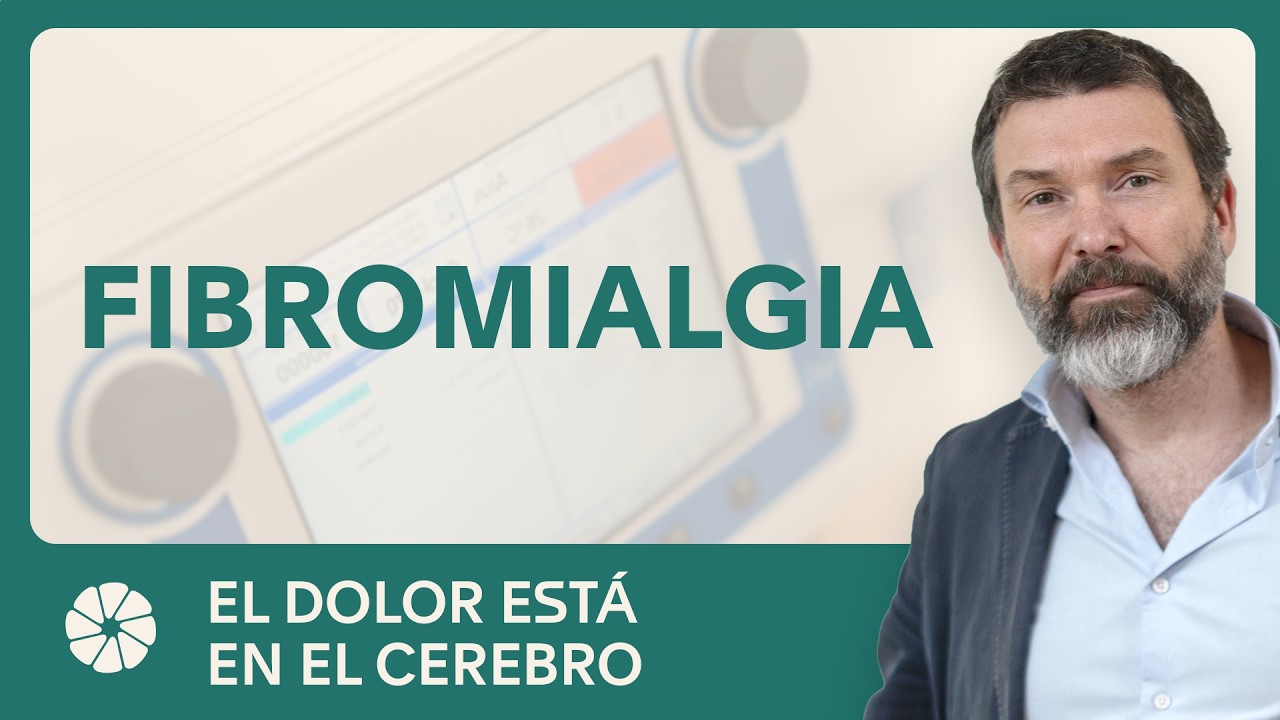
Fibromyalgia and transcranial magnetic stimulation (TMS)
The origin of fibromyalgia pain is not in the muscles but in the brain. We explain what central sensitization is and how TMS over the primary motor cortex helps reduce pain severity.
Read more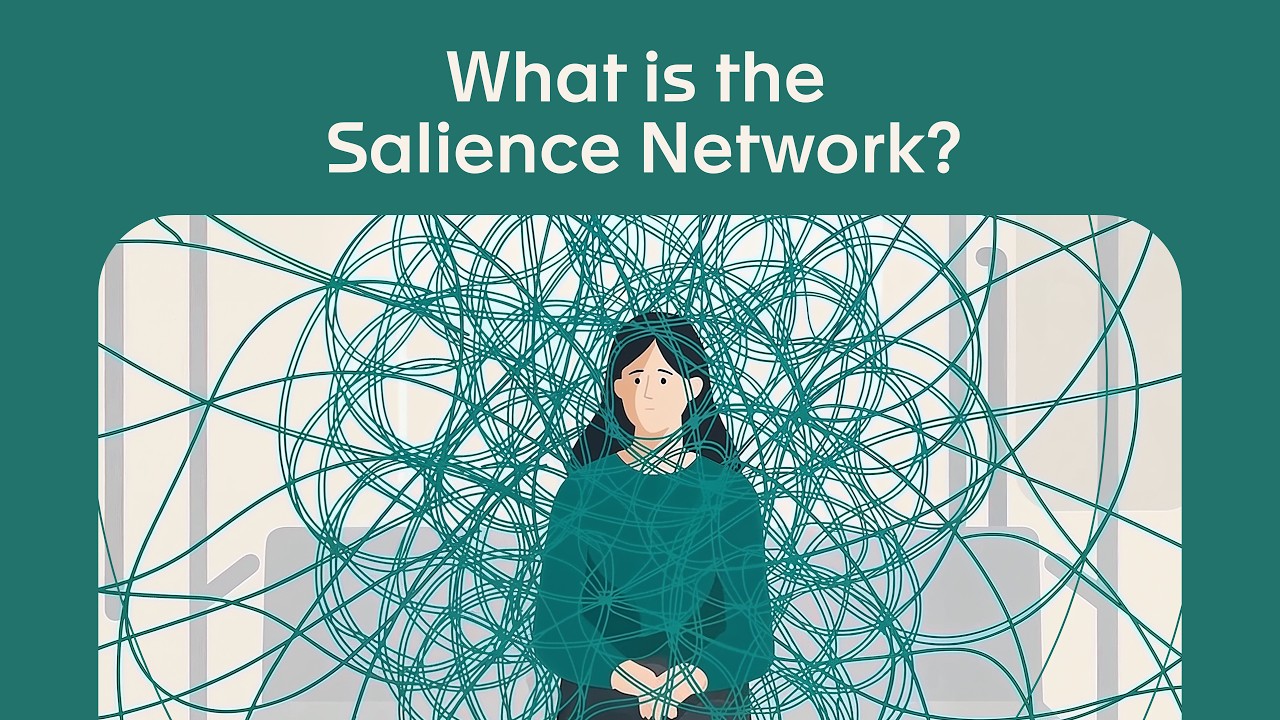
What is the Salience Network?
Why does depression make you feel so disconnected? The answer lies in the Salience Network, your attention’s traffic director, which in depression loses flexibility and gets stuck activating the Default Mode Network.
Read more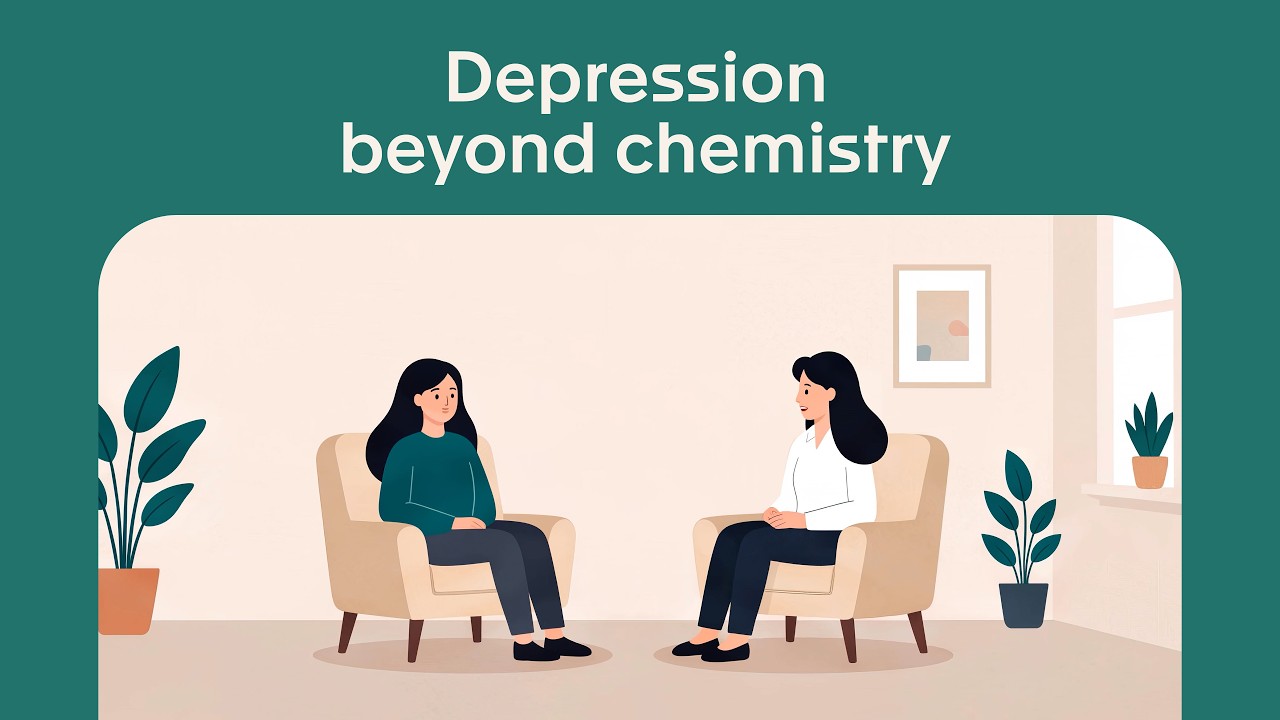
Depression is not just a chemical imbalance: what really fails in the brain and why it matters for treatment
For decades depression was believed to be a simple chemical imbalance. We now know it involves physical atrophy of connections in very specific brain areas, and that treating it with pills alone is unspecific. AI-guided neuromodulation directs treatment to the affected circuits.
Read more